Advantages And Applications Of Top Guided Control Valves In Industry
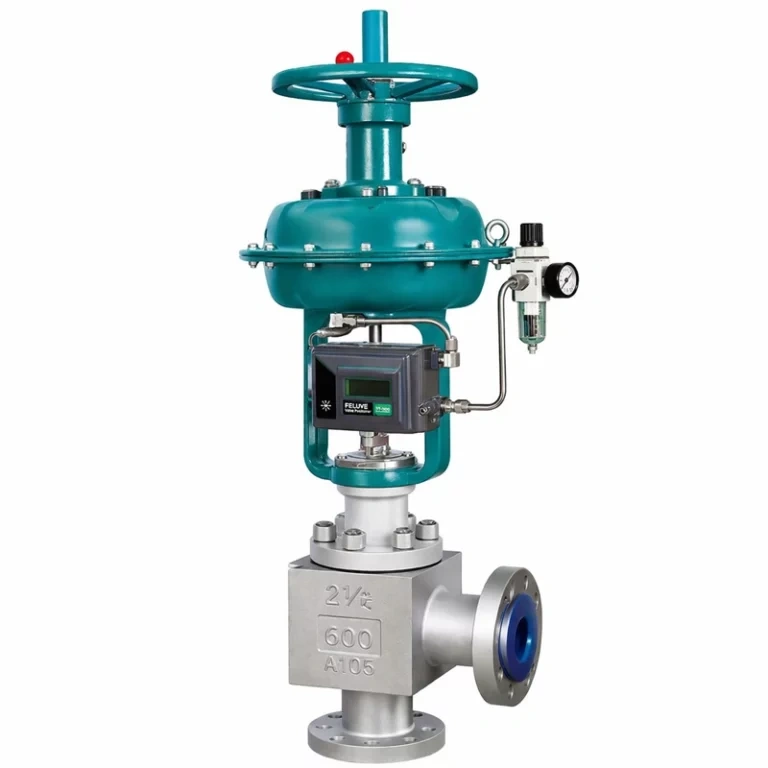
In modern industrial processing systems, accurate flow regulation is essential for maintaining operational efficiency, product quality, environmental compliance, and equipment safety. Among the many types of industrial control valves available today, the top guided control valve has become one of the most widely used solutions for regulating fluid flow in demanding industrial applications. Known for its stable guiding structure, excellent sealing performance, reliable operation, and versatility, the top guided control valve is commonly applied in industries such as oil and gas, petrochemical processing, chemical manufacturing, power generation, water treatment, pulp and paper, metallurgy, and general industrial automation.
The top guided control valve features a simple yet highly efficient structural design that enables precise adjustment and dependable shut-off performance for both liquid and gas media. Its robust construction allows it to operate effectively under high pressure, high temperature, and corrosive service conditions. Because of its excellent performance characteristics and cost-effective maintenance, the valve has become one of the most popular industrial control valves manufactured and supplied in China and worldwide.
This article explores the structure, working principle, features, advantages, materials, applications, and future development trends of top guided control valves in detail.
A top guided control valve is a linear motion control valve in which the valve plug is guided primarily by a guide structure located at the upper section of the valve trim assembly. The guiding mechanism stabilizes the valve stem and plug movement during operation, reducing vibration and ensuring accurate throttling performance.
The valve regulates process flow by moving the valve plug upward or downward relative to the valve seat. This movement changes the flow area inside the valve body, thereby controlling the flow rate, pressure, temperature, or liquid level within the process system.
Top guided control valves are designed to handle a wide range of operating conditions and are particularly suitable for applications requiring stable control, reliable shut-off capability, and reduced maintenance requirements.
Top guided control valves offer numerous performance advantages that make them highly suitable for industrial automation systems.
One of the key advantages of the top guided control valve is its relatively simple structural arrangement. The design minimizes the number of internal moving components while maintaining excellent control capability. This simplicity improves reliability, reduces manufacturing complexity, and facilitates easier installation and maintenance.
The streamlined design also enables faster assembly and disassembly during inspection or repair procedures, minimizing operational downtime.
The upper guiding mechanism effectively stabilizes the movement of the valve stem and plug during operation. This stability reduces vibration, minimizes trim wear, and improves the valve's operational accuracy.
The guide structure is especially beneficial in high-pressure differential applications where unstable plug movement could otherwise cause excessive vibration or noise.
Top guided control valves provide precise modulation capability, making them suitable for processes requiring accurate flow regulation. The stable plug guidance contributes to excellent positioning performance and repeatability.
The valve can maintain consistent control characteristics even during fluctuating process conditions, helping improve overall system efficiency.
Top guided control valves are available in numerous body styles, trim configurations, pressure classes, and material selections. This flexibility allows them to handle different process media, including:
- Steam
- Water
- Air
- Natural gas
- Chemical fluids
- Corrosive liquids
- High-temperature fluids
- Slurries and process liquids
Different trim designs can also be selected for applications involving cavitation, flashing, erosion, or noise reduction.
Modern top guided control valves often incorporate advanced sealing technologies to achieve reliable shut-off performance. Precision-machined sealing surfaces and high-quality packing materials help minimize leakage and improve operational safety.
Mechanical sealing systems also reduce environmental emissions and comply with increasingly strict industrial regulations.
Because the guiding structure reduces vibration and mechanical wear, top guided control valves generally offer longer service life and lower maintenance costs. Many designs also allow trim replacement without removing the valve body from the pipeline.
A top guided control valve consists of several key components that work together to regulate process flow efficiently and reliably.
The valve body forms the primary pressure-retaining structure of the valve. It contains the internal flow passage and houses the valve trim components.
Valve bodies are commonly manufactured through casting or forging processes depending on pressure requirements and service conditions. Common body materials include:
- Carbon steel
- Stainless steel
- Alloy steel
- Duplex stainless steel
- Bronze alloys
- Special corrosion-resistant materials
The valve body typically includes flanged, welded, or threaded end connections for integration into pipeline systems.
The valve stem connects the actuator to the valve plug and transfers motion during operation. As the actuator moves, the stem raises or lowers the plug to regulate flow.
The stem must possess excellent mechanical strength, corrosion resistance, and dimensional stability to ensure reliable long-term performance.
The valve plug is the primary throttling element inside the valve. It moves relative to the valve seat to control the flow area and regulate fluid passage.
Different plug designs are available depending on required flow characteristics, including:
- Linear flow characteristic
- Equal percentage characteristic
- Quick opening characteristic
The guide ring stabilizes the movement of the valve stem and plug assembly. Located at the upper section of the trim, it prevents lateral movement and minimizes vibration during operation.
The guide ring also helps maintain alignment between the plug and seat, improving sealing performance and reducing wear.
The seat ring forms the sealing interface with the valve plug. When the plug contacts the seat, flow through the valve stops completely or nearly completely.
Seat rings are often hardened or coated to improve resistance to erosion, corrosion, and wear.
Gaskets are installed between mating surfaces to prevent external leakage. High-quality gasket materials ensure reliable sealing under high pressure and temperature conditions.
Common gasket materials include:
- Graphite
- PTFE
- Spiral wound metal gaskets
- Metal ring gaskets
The packing system seals the area around the valve stem to prevent leakage to the atmosphere. Modern low-emission packing systems help industries comply with environmental regulations while maintaining operational safety.
The actuator provides the force required to move the valve stem and plug. Common actuator types include:
- Pneumatic actuators
- Electric actuators
- Hydraulic actuators
The actuator works together with valve positioners and control systems to achieve precise automation.
The operating principle of a top guided control valve is based on linear plug movement within the valve body.
When a control signal is sent from the process control system, the actuator responds by moving the valve stem upward or downward. This movement changes the position of the valve plug relative to the seat ring.
As the plug moves:
- The flow area increases or decreases
- Fluid velocity changes
- Process variables such as flow rate, pressure, temperature, or level are regulated
The top guide structure ensures stable movement throughout the operating cycle. The guide ring maintains alignment and reduces vibration, even under severe operating conditions.
During shut-off operation, the plug presses tightly against the seat ring, creating a reliable seal that prevents leakage.
Several variations of top guided control valves are available to meet different industrial requirements.
This design features one plug and one seat. It provides excellent shut-off performance and precise flow control.
Single-seated valves are commonly used for moderate flow applications requiring high sealing capability.
Double-seated valves contain two plugs and two seats, balancing hydraulic forces and reducing actuator thrust requirements.
These valves are suitable for larger flow capacities but may provide slightly lower shut-off performance compared to single-seated designs.
Some advanced designs incorporate both top guiding and cage guiding features to improve stability and reduce noise.
The cage also helps control fluid flow patterns and minimize cavitation damage.
Special high-pressure designs are available for severe service applications involving elevated pressure differentials and temperatures.
These valves often include hardened trim materials and pressure-balanced plug designs.
Top guided control valves provide numerous operational and economic advantages.
Superior Flow Stability
The guiding mechanism ensures smooth and stable plug movement, resulting in precise process control and improved system efficiency.
Reduced Vibration
The guide structure minimizes vibration and chatter, extending valve service life and reducing maintenance frequency.
Reliable Shut-Off Capability
Precision seat and plug alignment improve sealing performance and minimize leakage.
Excellent Durability
High-quality materials and robust construction enable long-term operation under harsh industrial conditions.
Flexible Application Range
Top guided valves can handle a wide variety of process media and operating conditions.
Easier Maintenance
Many top guided valves allow trim access without removing the entire valve body from the pipeline, reducing downtime and maintenance costs.
Material selection is critical for ensuring valve reliability and compatibility with process conditions.
Carbon Steel
Carbon steel valves are widely used for general industrial applications involving non-corrosive media.
Stainless Steel
Stainless steel provides excellent corrosion resistance and is commonly used in chemical, food processing, and water treatment industries.
Common grades include:
- ASTM A351 CF8
- ASTM A351 CF8M
- ASTM A216 WCB
Alloy Steel
Alloy steel materials offer enhanced strength and temperature resistance for power generation and refinery applications.
Duplex Stainless Steel
Duplex stainless steels combine high strength with excellent corrosion resistance, especially in seawater environments.
Special Alloys
Highly corrosive or high-temperature applications may require special materials such as:
- Hastelloy
- Monel
- Titanium
- Inconel
Top guided control valves are widely used across many industries.
Oil and Gas Industry
In upstream, midstream, and downstream operations, these valves regulate:
- Crude oil flow
- Natural gas pressure
- Steam injection systems
- Refinery process streams
Petrochemical Industry
Petrochemical facilities require accurate control of aggressive chemicals and high-temperature fluids.
Top guided valves help maintain process stability and product quality.
Power Generation
Power plants use control valves for:
- Boiler feedwater regulation
- Steam control
- Condensate systems
- Turbine bypass systems
Water Treatment
Water treatment plants utilize control valves for regulating clean water, wastewater, and chemical dosing systems.
Chemical Processing
Chemical industries rely on top guided valves for safe handling of corrosive and hazardous fluids.
Pulp and Paper Industry
These valves help regulate steam, water, and chemical flow in pulp processing and paper manufacturing systems.
Although top guided control valves provide excellent performance, certain operating conditions can create challenges.
Cavitation
Cavitation occurs when pressure drops below the fluid vapor pressure, causing vapor bubbles to form and collapse violently.
This can damage valve trim surfaces and reduce service life.
Flashing
Flashing occurs when liquid permanently changes into vapor as pressure decreases through the valve.
This phenomenon can cause erosion and noise.
Noise and Vibration
High fluid velocity and pressure differentials may generate excessive noise and vibration.
Advanced trim designs and noise reduction cages help minimize these issues.
Corrosion and Erosion
Aggressive media and abrasive particles can damage internal valve components over time.
Proper material selection is essential for long-term reliability.
Regular maintenance is essential for ensuring optimal valve performance.
Routine Inspection
Operators should periodically inspect:
- Stem condition
- Packing leakage
- Seat wear
- Guide surfaces
- Actuator performance
Lubrication
Moving components should be lubricated according to manufacturer recommendations.
Packing Adjustment
Packing systems may require periodic adjustment to maintain proper sealing.
Trim Replacement
Worn plugs and seats should be replaced promptly to restore control accuracy and shut-off performance.
Calibration
Valve positioners and actuators should be calibrated regularly to ensure precise control response.
Industrial automation continues to drive innovation in control valve technology.
Smart Valve Technology
Modern top guided control valves increasingly incorporate smart diagnostics and digital communication systems.
These technologies allow operators to monitor:
- Valve position
- Stem travel
- Packing condition
- Flow performance
- Predictive maintenance indicators
Improved Materials
New alloy materials and advanced coatings improve resistance to corrosion, cavitation, and erosion.
Low-Emission Designs
Environmental regulations are encouraging development of low-emission packing systems and improved sealing technologies.
Energy Efficiency
Advanced trim designs help reduce pressure loss and improve process efficiency.
Integration with Industrial Automation
Control valves are becoming increasingly integrated with Industry 4.0 automation systems and intelligent plant management platforms.
The top guided control valve remains one of the most reliable and versatile flow control solutions used throughout modern industry. Its simple yet effective structural design provides accurate flow regulation, stable operation, reliable sealing performance, and long service life across a wide range of industrial applications.
With advantages such as reduced vibration, excellent guiding stability, flexible material selection, and ease of maintenance, top guided control valves continue to play a critical role in industries including oil and gas, petrochemical processing, power generation, water treatment, and chemical manufacturing.
As industrial processes become more automated and demanding, the future development of top guided control valves will focus increasingly on smart monitoring technologies, advanced materials, environmental protection, and energy-efficient operation. Through continuous innovation and engineering improvement, these valves will remain essential components in modern industrial flow control systems for many years to come.