Essential Maintenance Tips for Pneumatic Control Valves
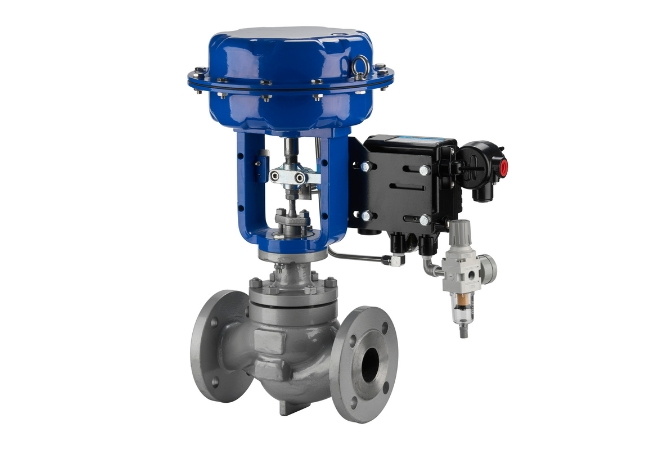
Pneumatic control valves are widely used in modern industrial systems to regulate the flow of compressed air, gas, steam, and other process media. These valves are essential components in industries such as oil and gas, chemical processing, power generation, food and beverage production, pharmaceuticals, mining, water treatment, and manufacturing automation. By accurately controlling pressure, flow rate, and fluid direction, pneumatic control valves help improve operational efficiency, maintain process stability, and ensure safe industrial operation.
Because pneumatic control valves operate continuously under demanding working conditions, proper maintenance is critical for achieving long service life and reliable performance. Exposure to moisture, dust, vibration, pressure fluctuations, and contaminants can gradually affect valve operation and lead to leakage, slow response, excessive wear, or unexpected failures.
Regular maintenance not only improves valve reliability but also reduces downtime, lowers repair costs, decreases energy consumption, and enhances workplace safety. A well-planned preventive maintenance program allows operators to detect problems early before they develop into major system failures.
Pneumatic control valves use compressed air as the driving force for controlling valve movement. These valves are commonly equipped with pneumatic actuators that open, close, or modulate the valve position according to system requirements.
Pneumatic control valves can be classified into several types, including:
- Globe control valves
- Ball control valves
- Butterfly control valves
- Solenoid valves
- Pressure-reducing valves
- Directional control valves
- Flow control valves
Each valve type performs a specific function depending on the application and process conditions.
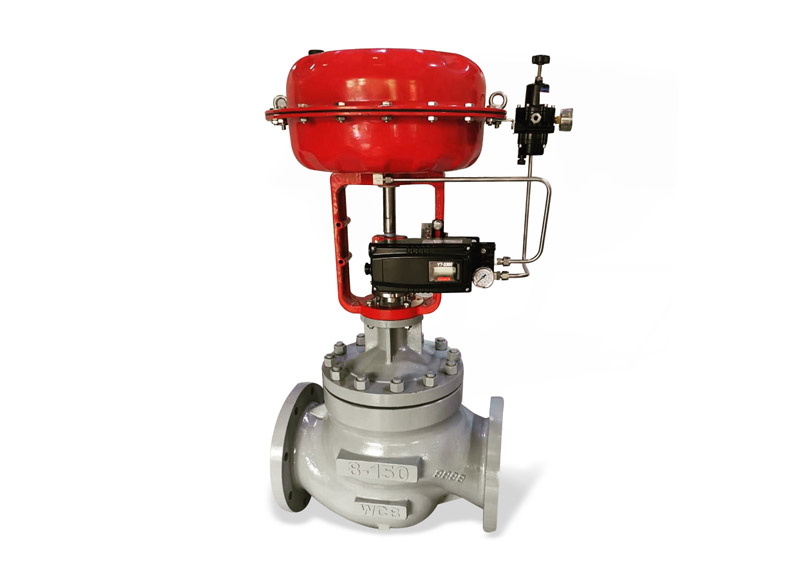
Pneumatic control valves operate by converting compressed air pressure into mechanical motion. A pneumatic actuator receives a control signal from a positioner or controller, which moves the valve stem and internal trim components to regulate fluid flow.
The valve may perform functions such as:
- Opening or closing flow
- Adjusting flow rate
- Maintaining pressure
- Regulating process temperature
- Directing airflow
Accurate valve operation is essential for maintaining process stability and production efficiency.
Proper maintenance helps prevent performance issues and extends equipment life.
Without regular maintenance, pneumatic control valves may experience:
Reduced Operating Efficiency
Contaminated or worn components restrict airflow and reduce valve accuracy.
Increased Energy Consumption
Air leaks and inefficient operation increase compressed air usage and energy costs.
Unexpected Equipment Failure
Valve malfunctions may shut down production systems and cause expensive downtime.
Safety Risks
Improper valve operation may create dangerous pressure conditions or unstable process control.
Shortened Service Life
Lack of lubrication and contamination accelerate component wear and corrosion.
A preventive maintenance program helps maintain consistent valve performance and reduces operational expenses.
Understanding common valve issues allows maintenance personnel to identify and solve problems quickly.
Air Leakage
Leakage is one of the most common issues in pneumatic systems. Air leaks may occur at:
- Stem packing
- Pneumatic tubing
- Actuator seals
- Valve seats
- Threaded fittings
Even small leaks can reduce system efficiency significantly.
Slow Valve Response
Slow actuation may result from:
- Low air supply pressure
- Clogged solenoids
- Internal contamination
- Damaged diaphragms
- Mechanical friction
Valve Sticking
Dirt, corrosion, or insufficient lubrication can cause valves to stick during operation.
Excessive Noise or Vibration
Improper valve sizing or unstable flow conditions may produce vibration that damages internal components.
Calibration Drift
Incorrect calibration may reduce valve control accuracy and process stability.
Regular inspection is essential for detecting early signs of wear or damage.
Inspect the valve body and actuator for:
- Corrosion
- Cracks
- Loose fasteners
- Air leakage
- Physical damage
During scheduled shutdowns, inspect internal components such as:
- Valve seats
- Stem surfaces
- Springs
- Seals
- Diaphragms
Check the pneumatic air supply system for:
- Moisture accumulation
- Dirty filters
- Pressure fluctuations
- Damaged tubing
Routine inspection improves valve reliability and reduces unexpected failures.
Clean valves operate more efficiently and experience less wear.
Remove Dirt and Debris
Dust and contaminants can block air passages and interfere with valve movement.
Use:
- Clean compressed air
- Soft brushes
- Non-corrosive cleaning agents
Clean Air Filters
Dirty filters reduce airflow and affect valve response time.
Replace or clean filters regularly to maintain proper airflow.
Moisture Removal
Condensation inside pneumatic systems may cause corrosion and freezing.
Air dryers and moisture separators help prevent water accumulation.
Air leaks waste energy and reduce system efficiency.
Leak Detection Methods
Common methods include:
- Soap solution testing
- Ultrasonic leak detectors
- Pressure monitoring
- Audible inspection
Common Leak Sources
Inspect:
- Tubing connections
- O-rings
- Seals
- Valve packing
- Pneumatic fittings
Replace Damaged Components
Worn seals and gaskets should be replaced immediately to restore system pressure and efficiency.
Proper lubrication minimizes friction and protects moving components.
Recommended Lubricants
Always use lubricants approved by the valve manufacturer.
Suitable lubricants help:
- Reduce wear
- Prevent corrosion
- Improve actuator performance
- Extend service life
Avoid Excessive Lubrication
Over-lubrication may attract dust and contaminants, causing internal buildup.
Self-Lubricating Components
Modern pneumatic valves may use self-lubricating materials to reduce maintenance frequency.
Performance testing helps identify developing issues before failures occur.
Check Valve Response Time
Verify that the valve opens and closes smoothly without delays.
Monitor Air Consumption
Excessive air consumption may indicate leakage or actuator problems.
Test Position Accuracy
Valve positioners should accurately respond to control signals.
Observe Process Stability
Fluctuating pressure or unstable flow may indicate valve malfunction.
Valve components wear over time and require periodic replacement.
Common Wear Parts
Components commonly replaced include:
- Diaphragms
- O-rings
- Springs
- Packing materials
- Valve seats
- Bearings
Follow Manufacturer Recommendations
Maintenance schedules should follow manufacturer guidelines for replacement intervals.
Use Genuine Spare Parts
High-quality replacement parts improve reliability and maintain valve performance.
Accurate calibration ensures precise process control.
Pressure Regulator Calibration
Verify that pressure regulators maintain proper operating pressure.
Valve Positioner Adjustment
Positioners should provide accurate stem movement according to control signals.
Signal Testing
Inspect electrical and pneumatic signals for stability and accuracy.
Proper calibration improves process efficiency and product quality.
Contamination is one of the leading causes of valve failure.
Install Air Filters and Dryers
High-quality filtration systems remove:
- Dust
- Oil particles
- Moisture
- Rust contaminants
Use Corrosion-Resistant Materials
Harsh environments may require:
- Stainless steel bodies
- Protective coatings
- Corrosion-resistant trim materials
Proper Enclosure Protection
Outdoor or dusty environments may require protective valve enclosures.
Effective spare parts management reduces downtime during maintenance.
Identify Critical Components
Maintain inventory for commonly replaced parts such as:
- Solenoids
- Diaphragms
- Seals
- Springs
- Positioners
Inventory Tracking
Use inventory management systems to monitor:
- Stock levels
- Replacement schedules
- Supplier information
Periodic Inventory Review
Review inventory regularly to replace obsolete or damaged spare parts.
The actuator converts air pressure into valve movement and requires regular maintenance.
Inspect Diaphragms
Check diaphragms for:
- Cracking
- Hardening
- Leakage
- Deformation
Spring Inspection
Inspect springs for corrosion, fatigue, or breakage.
Air Supply Quality
Clean and dry compressed air helps protect actuator components.
Solenoid valves control pneumatic signals and require periodic inspection.
Coil Inspection
Check electrical coils for:
- Overheating
- Loose wiring
- Insulation damage
Internal Cleaning
Remove dirt and oil buildup that may interfere with valve movement.
Functional Testing
Verify proper switching response and electrical performance.
Preventive maintenance reduces unexpected failures and repair costs.
Scheduled Maintenance
Maintenance schedules should consider:
- Operating hours
- Environmental conditions
- Process media
- System pressure
Maintenance Documentation
Maintain detailed records including:
- Inspection reports
- Calibration history
- Repair activities
- Replacement schedules
Predictive Maintenance
Modern systems use sensors and diagnostics to detect:
- Air leakage
- Vibration changes
- Temperature variations
- Valve friction
Predictive maintenance improves operational reliability.
Oil and Gas Industry
Pneumatic valves regulate pressure and flow in pipelines, refineries, and offshore platforms.
Chemical Processing
Chemical plants require corrosion-resistant valves for handling aggressive fluids.
Power Generation
Power plants use pneumatic valves in steam systems, turbines, and boiler controls.
Food and Beverage Industry
Sanitary pneumatic valves support hygienic processing applications.
Pharmaceutical Industry
Accurate valve control ensures stable production conditions and product quality.
Water Treatment Plants
Pneumatic valves regulate filtration, chemical dosing, and water distribution systems.
Correct valve sizing improves control accuracy and reduces wear.
Oversized Valves
Oversized valves may cause:
- Poor control stability
- Excessive vibration
- Increased maintenance
Undersized Valves
Undersized valves may result in:
- Excessive pressure drop
- Restricted flow
- Increased operating stress
Proper sizing improves valve efficiency and lifespan.
Valve maintenance should always follow approved safety procedures.
Isolate the System
Before servicing:
- Shut off air supply
- Depressurize pipelines
- Lock out energy sources
Wear Protective Equipment
Technicians should use:
- Gloves
- Safety glasses
- Protective clothing
Follow Manufacturer Guidelines
Always follow approved maintenance instructions and safety recommendations.
Digital Positioners
Digital positioners improve valve accuracy and simplify calibration.
Remote Monitoring
IoT systems allow operators to monitor valve performance remotely.
Smart Diagnostics
Advanced diagnostic systems detect:
- Air leaks
- Excess friction
- Valve sticking
- Response delays
Energy-Efficient Systems
Modern pneumatic technologies reduce compressed air consumption and operating costs.
Well-maintained pneumatic systems support sustainable industrial operation.
Reduced Energy Waste
Efficient valves reduce compressed air leakage and energy usage.
Lower Emissions
Improved process control reduces industrial emissions and environmental impact.
Longer Equipment Life
Preventive maintenance reduces waste generated by premature equipment replacement.
The pneumatic valve industry continues evolving with advanced technologies.
Smart Manufacturing
Industry 4.0 systems integrate intelligent valve monitoring and automation.
Advanced Materials
New materials improve corrosion resistance and durability.
AI-Based Predictive Maintenance
Artificial intelligence systems analyze valve data and predict failures.
Wireless Monitoring Systems
Wireless sensors simplify maintenance and improve operational flexibility.
Energy Optimization
Manufacturers continue developing low-air-consumption valve designs.
Pneumatic control valves are essential components in industrial automation systems, providing accurate flow regulation, pressure control, and process stability across a wide range of industries. Because these valves operate under demanding conditions, regular maintenance is necessary to ensure reliable performance, reduce downtime, and extend equipment life.
Routine inspection, cleaning, lubrication, calibration, leak detection, and spare parts management all contribute to improved valve efficiency and operational reliability. Preventive maintenance programs help identify problems early, reduce repair costs, and maintain safe working conditions.
As industrial automation technologies continue advancing, modern pneumatic control valves are becoming smarter, more energy-efficient, and easier to maintain through digital diagnostics and predictive monitoring systems. Companies that invest in proper valve maintenance can improve productivity, reduce operational costs, and achieve long-term system reliability.
As a leading pneumatic control valve manufacturer in China, manufacturers continue providing advanced valve solutions designed for durability, precision control, and high-performance industrial automation applications worldwide.
