Electric Flanged Globe Valve: Precise Flow Control for Industrial Pipelines
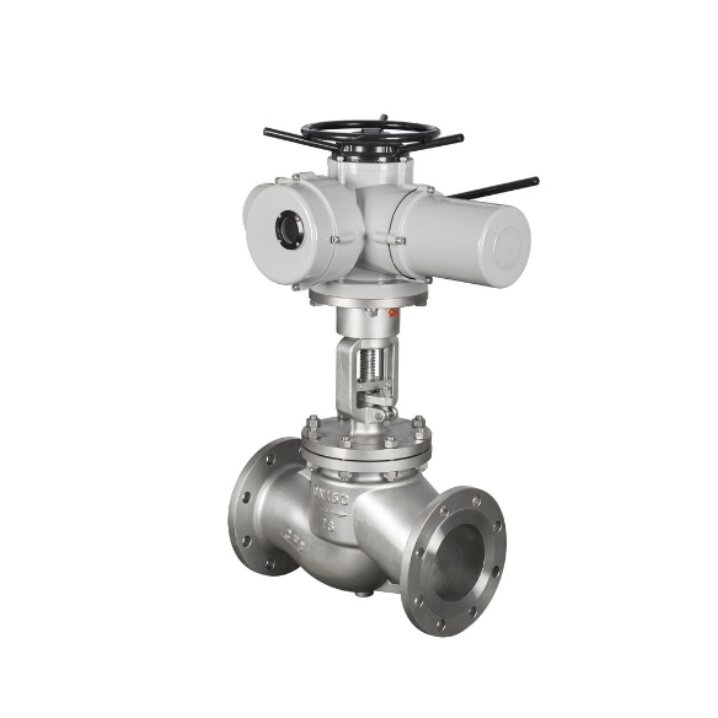
In today's industrial sector, reliable and precise flow control is crucial for maintaining safe, efficient, and cost-effective processes. Among the array of valves available, the electric flanged globe valve stands out as a versatile and high-performance solution. Combining the mechanical reliability of the globe valve with the precision and automation of an electric actuator, this valve is designed for complex pipeline systems where both throttling and shutoff operations are required.
Globe valves have long been recognized for their excellent flow regulation capabilities. Unlike gate valves, which are primarily used for on/off operations, globe valves provide accurate control of flow rates, making them ideal for processes that demand precise adjustments. The addition of an electric actuator further enhances their functionality by enabling automated control, remote operation, and integration with modern process control systems.
Flanged connections, available in various international standards, make these valves easy to install and maintain while ensuring secure mechanical attachment. Furthermore, the wide selection of materials—including carbon steel, stainless steel, and specialized alloys—ensures compatibility with aggressive, high-temperature, or high-pressure mediums, extending valve lifespan and reducing operational downtime.
As industrial systems evolve toward automation, energy efficiency, and smart monitoring, electric flanged globe valves have become an indispensable component in industries ranging from power generation and oil & gas to chemical processing and water treatment.
The integration of an electric actuator transforms a traditional globe valve into a highly responsive automated system. Electric actuators allow for precise control over valve positioning, offering several operational benefits:
- Remote Control: Operators can control valves from centralized control rooms or even remotely via industrial IoT systems, improving safety, especially in hazardous or high-temperature environments.
- Programmable Setpoints: Many actuators allow pre-programmed flow settings, enabling automated throttling based on process conditions without manual intervention.
- Feedback and Monitoring: Smart actuators provide real-time position feedback, fault detection, and communication with SCADA or DCS systems, enhancing operational awareness and predictive maintenance.
For critical applications such as steam regulation, chemical dosing, or high-pressure fluid distribution, automated operation ensures consistent performance, reduces human error, and enhances overall process efficiency.
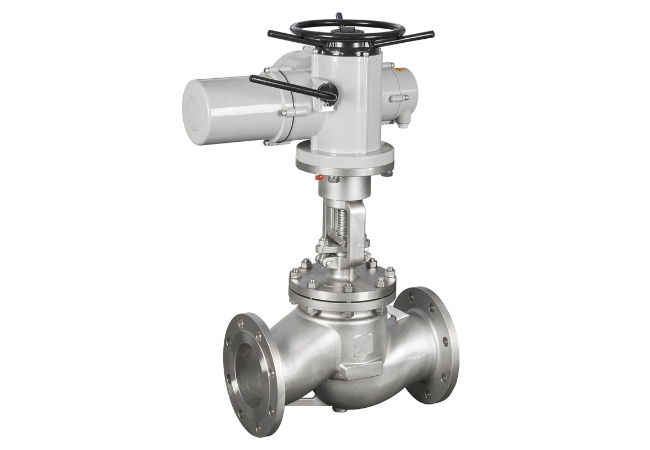
Industrial pipelines face extreme mechanical and thermal stresses, and valve durability is essential. Electric flanged globe valves are engineered to withstand harsh conditions with features such as:
- High-Strength Body Materials: Carbon steel for standard processes, stainless steel (SS304, SS316) for corrosion resistance, and alloy steel for high-temperature or high-pressure applications.
- Robust Bonnet and Stem Design: Ensures stable operation under fluctuating pressures and temperatures.
- Heat-Treated Components: Critical internal parts are often heat-treated to reduce wear, enhancing longevity in abrasive or high-cycle operations.
These design considerations are particularly important in industries like power generation, oil refining, and petrochemicals, where operational downtime can be extremely costly.
A valve's sealing system determines its effectiveness in preventing leaks and maintaining flow efficiency. Electric flanged globe valves use multiple sealing technologies based on application requirements:
- Metal-to-Metal Seals: Ideal for high-pressure steam or hot oil pipelines.
- PTFE (Polytetrafluoroethylene) Seals: Provide chemical resistance and are suitable for aggressive or corrosive fluids.
- Graphite Seals: Withstand high temperatures and pressures, making them suitable for power plants or chemical reactors.
By selecting the appropriate seal material, engineers can optimize valve performance for specific operational conditions, reducing maintenance frequency and ensuring safety compliance.
The flanged design is essential for industrial applications, offering:
- Mechanical Stability: Capable of handling large forces in high-pressure pipelines.
- Ease of Installation and Removal: Simplifies maintenance, inspection, and replacement.
- Standardization: Compatible with DIN, ANSI, JIS, or other international flange standards, ensuring global interoperability.
For pipelines where vibration or thermal expansion is a concern, flanged connections combined with proper gaskets prevent misalignment and leaks, extending the service life of both the valve and the connected pipeline.
Globe valves are renowned for their precise flow regulation. When paired with electric actuators, they allow:
- Fine adjustments to flow rate over a wide range.
- Smooth operation to minimize pressure spikes or water hammer.
- Accurate maintenance of setpoints in critical process conditions.
Industries that require precise flow control, such as pharmaceutical manufacturing, food processing, and chemical dosing, benefit from this capability. Accurate control also reduces waste, improves energy efficiency, and ensures consistent product quality.
Industrial fluids vary widely in chemical composition. To address these challenges, electric flanged globe valves are often equipped with corrosion-resistant features:
- Epoxy coatings, PTFE linings, or hard-facing for aggressive chemicals.
- Stainless steel or alloy steel internals for acidic or alkaline mediums.
- Specialized trim materials for abrasive slurries.
These options enable long-term performance in demanding chemical, marine, and offshore applications.
The adaptability of electric flanged globe valves makes them suitable for numerous applications:
- Steam and Condensate Systems: Precise temperature and pressure control in power plants and industrial boilers.
- Oil & Gas Pipelines: Regulation of crude, refined products, or gas under high-pressure conditions.
- Chemical Processing: Handling corrosive or high-purity chemicals safely and efficiently.
- Water Treatment Plants: Flow control in municipal and industrial water systems.
- HVAC Systems: Accurate regulation of hot and chilled water or steam.
Their ability to handle diverse fluids and operating conditions makes them a preferred choice for engineers managing complex processes.
Modern electric flanged globe valves are increasingly designed for smart, Industry 4.0-enabled plants:
- IoT and SCADA Integration: Continuous monitoring, predictive maintenance alerts, and automated adjustments based on process data.
- Energy Optimization: Flow regulation can be automated to reduce pump load and minimize energy consumption.
- Diagnostics and Maintenance Alerts: Early detection of valve wear, actuator faults, or leakage helps prevent costly downtime.
This intelligence enhances plant efficiency, safety, and sustainability.
Proper installation is critical for maximizing performance:
- Orientation and Flow Direction: Follow manufacturer markings to ensure correct flow path.
- Flange Alignment: Avoid misalignment to prevent stress on the valve and actuator.
- Support Structures: Large valves require proper support to handle weight and reduce pipeline stress.
- Electrical Connections: Follow actuator wiring diagrams, including grounding and signal calibration.
- System Flushing: Remove debris before installation to prevent internal damage.
- Functional Testing: Conduct leak tests, actuator calibration, and operational verification before commissioning.
Correct installation ensures operational safety, reliable performance, and longer service life.
Even with robust design, periodic maintenance ensures continuous optimal performance:
- Inspect seals and packing for wear and replace as needed.
- Lubricate stems and actuator components according to manufacturer recommendations.
- Test actuator response and feedback regularly to detect anomalies.
- Clean internal components to remove scale, debris, or corrosion.
- Document maintenance and calibration records to optimize future servicing.
Preventive maintenance minimizes downtime, reduces repair costs, and ensures compliance with safety regulations.
Electric flanged globe valves regulate steam flow to turbines, maintaining pressure and temperature within safe operational limits. Their precise throttling prevents fluctuations that could damage turbines and ensures stable power generation.
In pipelines transporting crude oil or refined products, these valves enable automated flow control under high pressure. Corrosion-resistant materials prevent chemical damage, while remote operation ensures operator safety.
For aggressive chemicals, PTFE-lined or stainless-steel globe valves provide leak-proof operation. Automated control ensures precise dosing and flow regulation, essential for product quality and safety compliance.
Municipal and industrial water systems benefit from accurate flow control, minimizing energy use and optimizing filtration, disinfection, and pumping efficiency.
Even high-quality valves may face operational challenges. Common issues and solutions include:
- Actuator Failure: Check power supply, control signals, and internal wiring.
- Leakage: Inspect seals, gaskets, and flanges; replace damaged components.
- Slow Response: Lubricate actuator and stem or recalibrate control signals.
- Corrosion: Use appropriate materials or protective coatings for aggressive fluids.
Regular monitoring and maintenance prevent minor issues from escalating into costly downtime.
As industries evolve, electric flanged globe valves are expected to integrate:
- Enhanced IoT Sensors: For real-time diagnostics and predictive maintenance.
- AI-Based Flow Optimization: Automated adjustment for maximum energy efficiency.
- Advanced Materials: New alloys and coatings for extreme temperature, pressure, and corrosive environments.
- Compact Actuators: Reduced size without sacrificing torque or control accuracy.
These innovations will further improve operational efficiency, safety, and cost-effectiveness.
Electric flanged globe valves represent a critical evolution in industrial flow control. Combining the durability and precise regulation of traditional globe valves with the automation and intelligence of electric actuators, these valves provide unparalleled performance across a wide range of applications.
With careful selection, proper installation, and routine maintenance, they ensure safe, efficient, and reliable operation in demanding environments. From steam and water systems to chemical, oil, and gas pipelines, electric flanged globe valves are a strategic investment for industries aiming to optimize flow control, enhance safety, and embrace automation in modern industrial operations.
