Complete Guide to Pneumatic Sanitary Ball Valves in Food and Pharma Industries
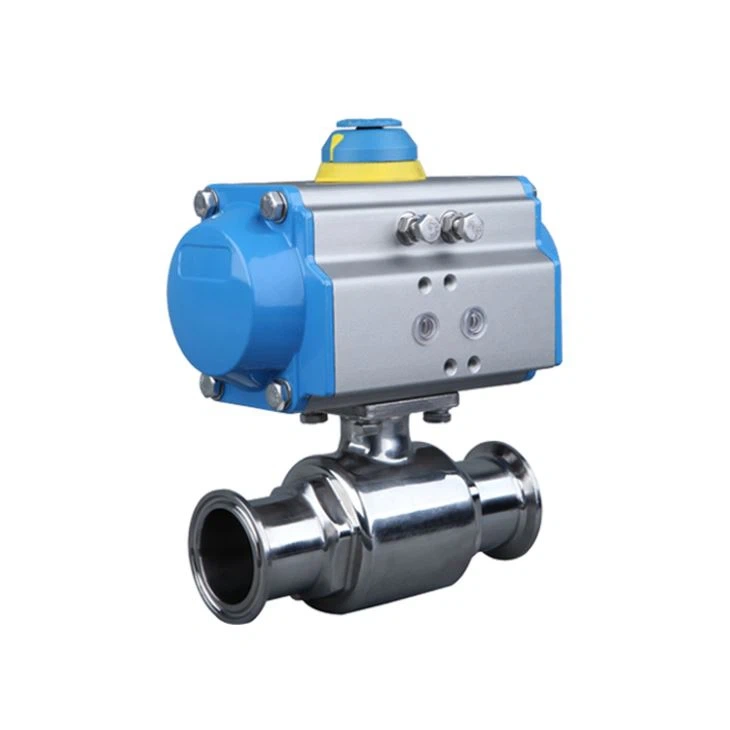
In industries where hygiene, precision, and reliability are critical, valve technology must meet exceptionally high standards. Pneumatic sanitary ball valves have emerged as a key solution for automated flow control in sectors such as food processing, pharmaceuticals, biotechnology, cosmetics, and beverage production. These valves combine the efficiency of pneumatic actuation with the strict sanitary requirements necessary to prevent contamination and ensure product integrity.
As modern production systems increasingly rely on automation, pneumatic sanitary ball valves offer a reliable and efficient method of controlling fluid flow without manual intervention. Their ability to deliver fast response times, consistent sealing performance, and easy integration into automated systems makes them indispensable in clean-process environments.
This article provides a comprehensive overview of pneumatic sanitary ball valves, covering their definition, working principles, structural features, materials, advantages, applications, installation practices, and maintenance considerations.
A pneumatic ball valve is an automated quarter-turn valve that uses compressed air to control the opening and closing of fluid flow. At its core is a spherical ball with a central bore. When the bore aligns with the pipeline, fluid flows freely; when the ball rotates 90 degrees, the flow is completely shut off.
The pneumatic actuator, mounted on top of the valve, converts compressed air energy into mechanical motion. This motion rotates the ball quickly and accurately, enabling precise control of the process medium.
Compared to manual valves, pneumatic ball valves offer several advantages, including faster operation, remote control capability, and improved safety in hazardous or hard-to-access environments. When designed with sanitary standards, these valves become suitable for applications requiring strict cleanliness and contamination control.
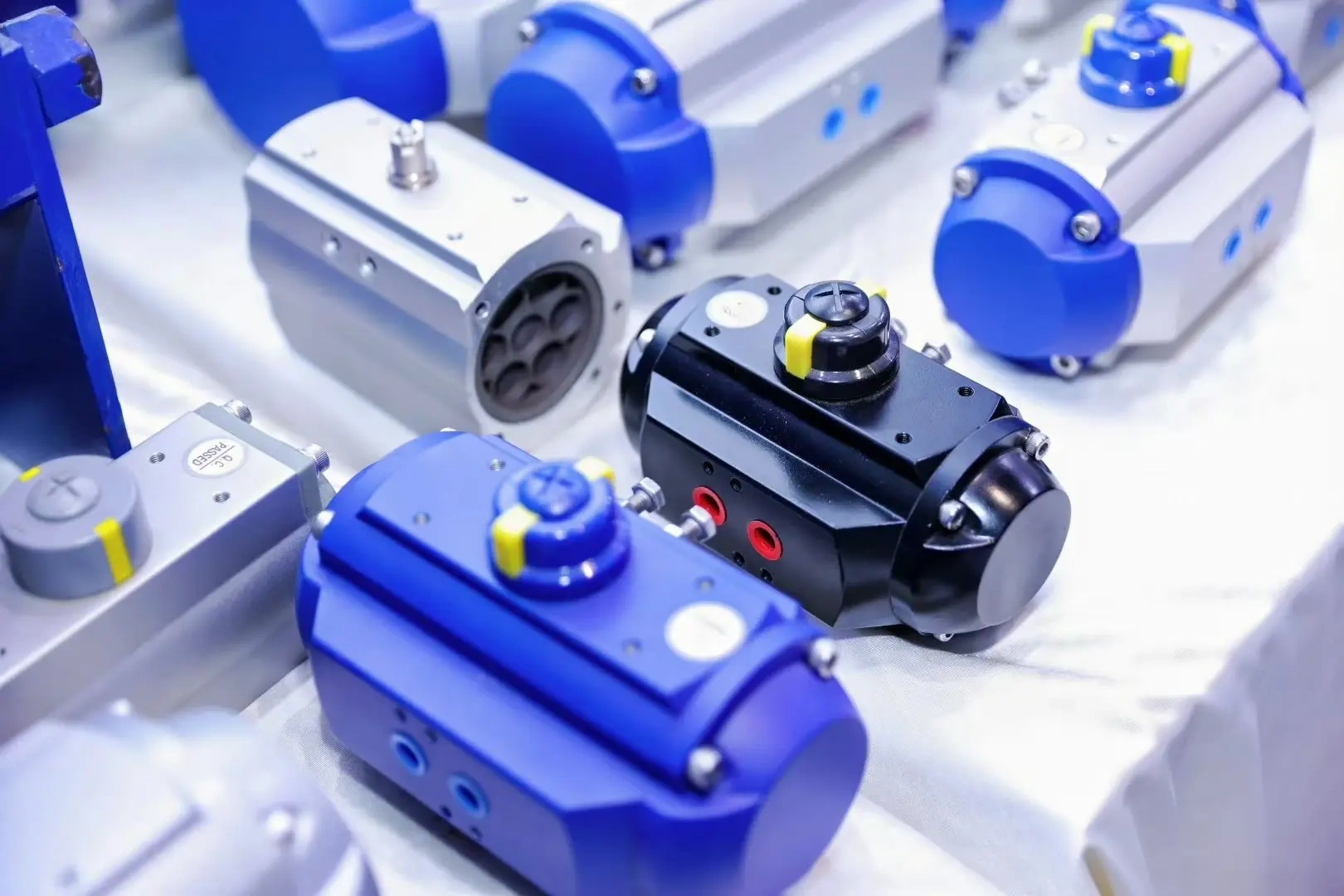
A pneumatic sanitary ball valve is a specialized version of a pneumatic ball valve designed specifically for hygienic applications. It is engineered to meet stringent sanitary standards, ensuring that the internal surfaces are smooth, easy to clean, and resistant to contamination.
These valves are widely used in industries where product purity is essential. They are designed to eliminate dead zones, minimize fluid retention, and support clean-in-place (CIP) and sterilize-in-place (SIP) processes.
The integration of pneumatic actuation ensures automated, repeatable, and efficient operation, making these valves ideal for modern production lines that demand both hygiene and automation.
The operation of a pneumatic sanitary ball valve is based on the combination of compressed air power and a quarter-turn ball mechanism.
Compressed air is supplied to the pneumatic actuator, which converts air pressure into rotational motion. This motion drives the valve stem and rotates the internal ball by 90 degrees.
- Open Position: When the bore of the ball aligns with the pipeline, fluid flows through the valve with minimal resistance.
- Closed Position: When the ball rotates perpendicular to the flow path, it blocks the passage completely, preventing any fluid from passing through.
High-performance sealing materials ensure tight contact between the ball and the valve seat. This creates a leak-free seal, which is critical in sanitary applications where contamination must be avoided.
Unlike standard industrial valves, pneumatic sanitary ball valves are designed with smooth internal surfaces and no dead angles. This prevents the accumulation of residues and facilitates thorough cleaning during CIP or SIP processes.
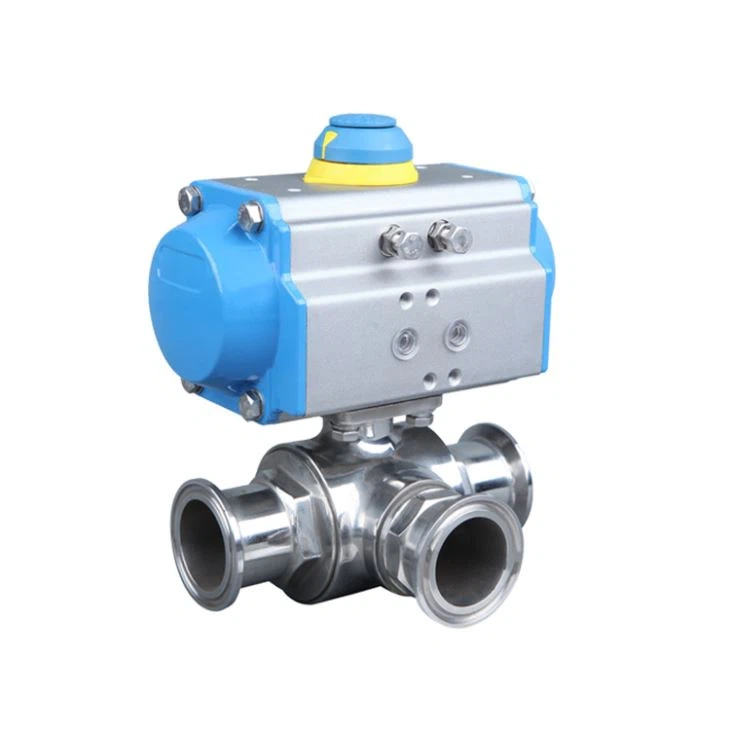
Pneumatic sanitary ball valves are engineered with precision to meet both mechanical and hygienic requirements.
The valve body is typically made from high-grade stainless steel, such as 304 or 316L. These materials offer excellent corrosion resistance and are suitable for food-grade and pharmaceutical environments.
The internal surfaces are polished to a mirror finish, reducing the risk of bacterial growth and ensuring easy cleaning.
The ball is precision-machined and polished to ensure smooth operation and reliable sealing. The stem connects the ball to the actuator and must be robust enough to withstand repeated operation cycles.
The actuator is the driving force behind the valve. It is available in two main types:
- Single-Acting Actuator: Uses air pressure to open or close and a spring to return to its original position.
- Double-Acting Actuator: Uses air pressure for both opening and closing operations.
Seals are typically made from materials such as PTFE, EPDM, or other food-grade elastomers. These materials provide excellent chemical resistance and ensure tight sealing under various operating conditions.
Sanitary ball valves often use clamp connections (such as tri-clamp fittings), which allow for quick installation and disassembly. This feature is essential for systems that require frequent cleaning and inspection.
- T-Port Design: Allows flow diversion or mixing between multiple pipelines.
- L-Port Design: Enables switching between two flow paths.
Material selection plays a critical role in ensuring the performance and longevity of pneumatic sanitary ball valves.
Stainless Steel
Stainless steel is the most commonly used material due to its corrosion resistance, durability, and compliance with sanitary standards.
Surface Polishing
Internal surfaces are polished to achieve low roughness values, typically measured in microns. This minimizes the risk of contamination and ensures efficient cleaning.
Compliance Standards
Pneumatic sanitary ball valves are often manufactured in accordance with international standards such as:
- GMP (Good Manufacturing Practice)
- FDA (Food and Drug Administration)
- EHEDG (European Hygienic Engineering & Design Group)
Pneumatic sanitary ball valves offer numerous benefits that make them ideal for hygienic and automated applications.
Hygienic Design
Smooth surfaces and dead-zone-free construction prevent contamination and support strict cleanliness requirements.
Fast Operation
Quarter-turn design allows rapid opening and closing, improving process efficiency.
Reliable Sealing
High-quality sealing materials ensure leak-free performance, even under demanding conditions.
Automation Capability
Pneumatic actuation enables remote control and integration into automated systems.
Easy Maintenance
Clamp connections and modular design simplify disassembly, cleaning, and component replacement.
Durability
Robust materials and precision engineering ensure long service life.
Pneumatic sanitary ball valves are widely used across industries that require strict hygiene and precise flow control.
Food and Beverage Industry
Used in processing lines for milk, juice, beer, and other consumables to ensure safe and contamination-free production.
Pharmaceutical Industry
Essential in drug manufacturing processes where sterility and purity are critical.
Biotechnology
Used in bioprocessing systems requiring precise and sterile fluid handling.
Cosmetics Industry
Ensures hygienic handling of creams, lotions, and liquid formulations.
Dairy Processing
Supports hygienic transfer of milk and dairy products while maintaining quality standards.
Proper installation is essential to ensure optimal performance and longevity.
Correct Alignment
Ensure the valve is properly aligned with the pipeline to prevent stress and leakage.
Clean Environment
Install the valve in a clean environment to avoid introducing contaminants.
Air Supply Quality
Use clean, dry compressed air to prevent actuator malfunction.
Proper Sizing
Select the correct valve size to match flow requirements and avoid pressure loss.
Secure Connections
Ensure all clamp connections are properly tightened to maintain a leak-free system.
Regular maintenance is critical for ensuring reliable operation.
Routine Cleaning
Perform CIP or SIP cleaning processes to maintain hygiene standards.
Seal Inspection
Check seals regularly for wear or damage and replace as needed.
Actuator Maintenance
Inspect the actuator for proper function and ensure air supply lines are clean.
Lubrication
Apply appropriate lubrication to moving parts if required.
Performance Testing
Periodically test valve operation to ensure smooth opening and closing.
Leakage
Often caused by worn seals or improper installation. Replace seals and check alignment.
Slow Operation
May result from insufficient air pressure or actuator issues.
Contamination Risk
Can occur if cleaning procedures are inadequate or surfaces are damaged.
Actuator Failure
Ensure proper air supply and inspect internal components.
When choosing a pneumatic sanitary ball valve, consider the following factors:
- Application requirements
- Flow rate and pressure
- Temperature conditions
- Material compatibility
- Hygiene standards
- Actuator type
- Connection method
Proper selection ensures optimal performance and compliance with industry regulations.
With the advancement of automation and smart manufacturing, pneumatic sanitary ball valves are evolving to meet new demands. Integration with control systems, sensors, and digital monitoring technologies is becoming increasingly common.
Manufacturers are also focusing on improving surface finishing techniques, developing advanced sealing materials, and enhancing actuator efficiency. These innovations contribute to improved reliability, reduced maintenance, and higher process efficiency.
Pneumatic sanitary ball valves are essential components in modern hygienic processing systems. Their combination of automation, reliability, and sanitary design makes them ideal for industries that demand strict cleanliness and precise flow control.
By understanding their working principles, structural features, and application requirements, engineers and operators can ensure optimal performance and long-term reliability. Proper installation, regular maintenance, and careful selection are key to maximizing the benefits of these advanced valve solutions.
As industrial processes continue to evolve toward higher standards of hygiene and automation, pneumatic sanitary ball valves will remain a critical technology for ensuring safe, efficient, and contamination-free operations.
