High-Performance Wafer Electric Butterfly Valves for Water, HVAC, and Chemical Systems
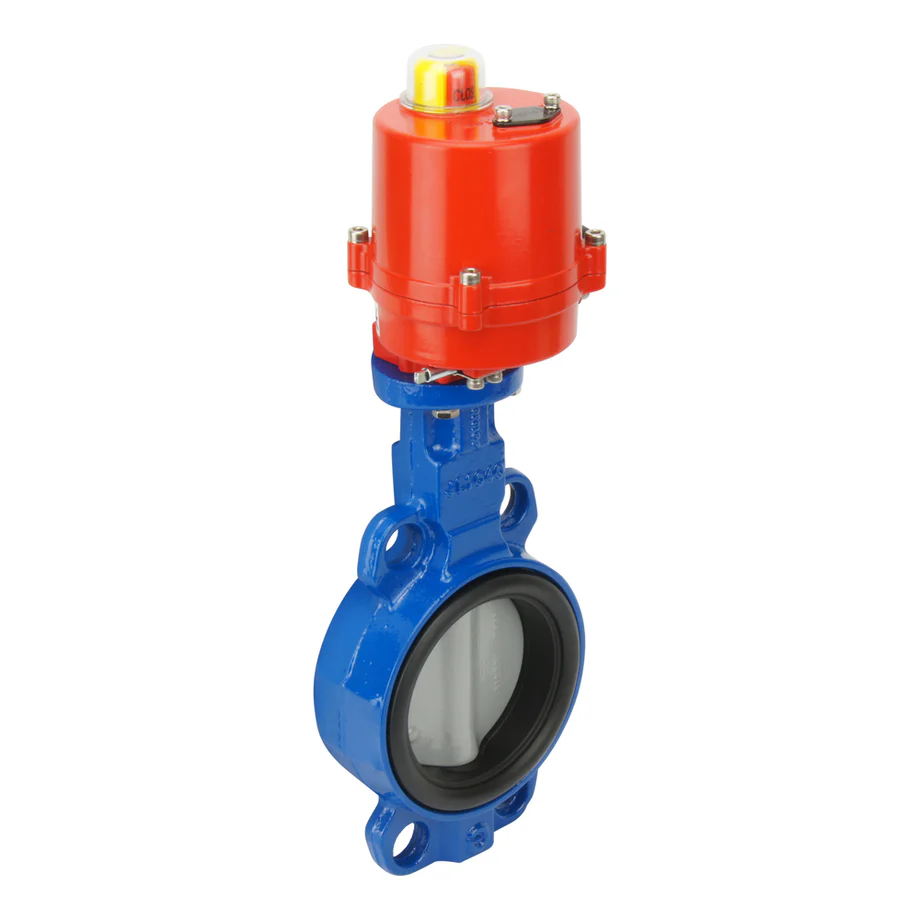
In today's industrial landscape, where automation, efficiency, and reliability are paramount, valve technology plays a critical role in fluid control systems across diverse sectors. Among the many valve types available, wafer electric butterfly valves have emerged as essential components in automated piping systems. Combining compact design with high-performance actuation, these valves deliver precise flow regulation in water treatment, HVAC, oil and gas, chemical processing, power generation, and more.
As global industries transition toward smarter, more energy-efficient systems, the demand for integrated control valves has grown significantly. Wafer electric butterfly valves—which pair the simplicity and durability of butterfly valves with the intelligence of electric actuators—offer a versatile solution for modern process control. Their ability to operate reliably under varying fluid conditions, adapt to automation networks, and simplify installation makes them a preferred choice for engineers and system designers.
This article explores wafer electric butterfly valves in depth, covering their design, features, performance benefits, application areas, selection criteria, installation best practices, industry trends, and the future direction of valve automation.
A wafer electric butterfly valve is a quarter-turn valve designed to regulate, isolate, or throttle flow in a piping system. It consists of:
- A circular disc mounted on a rotating shaft
- A wafer-style valve body that fits between two pipe flanges
- An electric actuator mounted directly on the valve stem
When the actuator receives an electrical control signal, it rotates the disc to open, close, or modulate fluid flow. Unlike manual butterfly valves, electric actuation provides automation capabilities, enabling remote operation, precise positioning, and integration with control systems such as PLCs and DCS.
The wafer design refers to the valve body style, where the valve fits snugly between flanges using bolts that pass through the valve body and flanges, saving space and reducing weight. This design is compact, economical, and widely compatible with standard flange patterns.
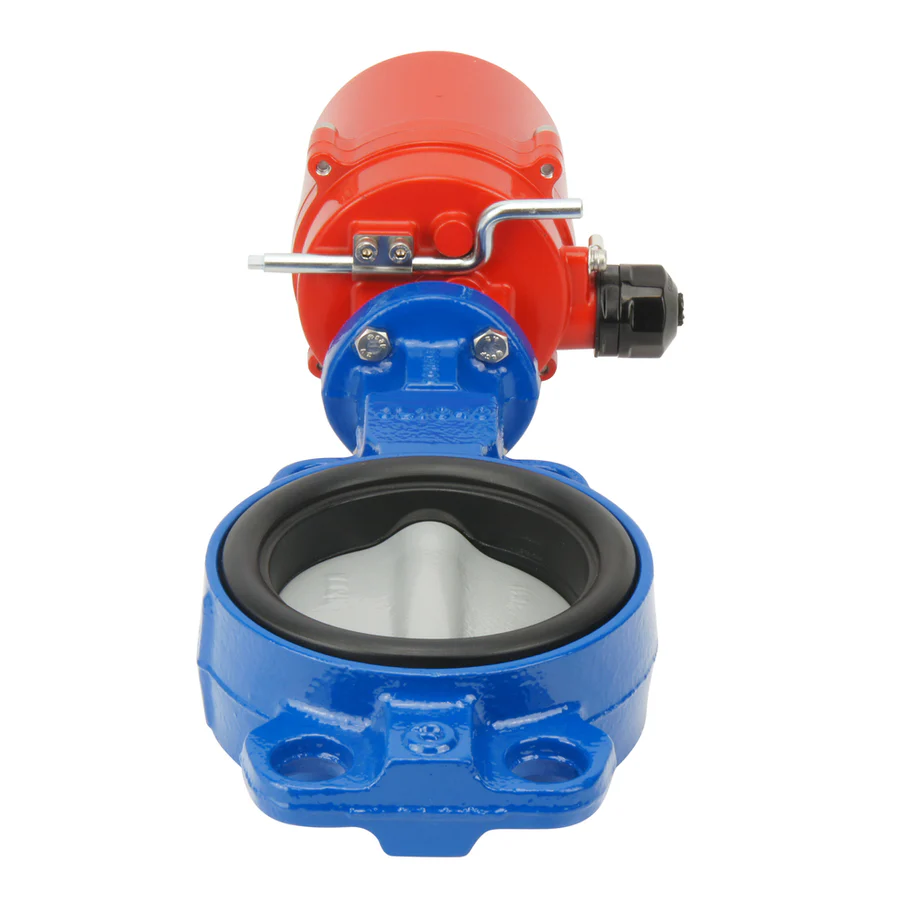
The valve body houses the disc and serves as the structural frame. Wafer electric butterfly valves typically feature bodies made from:
- Ductile iron
- Cast iron
- Stainless steel (304, 316)
- Carbon steel
- Special alloys for corrosive environments
The material selection depends on the fluid type, temperature, pressure, and application requirements.
The disc is the primary flow obstruction element. When aligned with the fluid direction, the valve is open; when perpendicular, it restricts or stops flow. Discs may have different profiles:
- Standard flat discs for general service
- High-performance contoured discs for improved sealing
- Eccentric discs for reduced friction and enhanced throttling
Materials can vary from metal to resilient coatings (e.g., PTFE, rubber-lined) for corrosive or sanitary applications.
Effective sealing is critical to prevent leakage and maintain performance. Wafer electric butterfly valves use precision-engineered seats made from:
- EPDM (ethylene propylene diene monomer)
- NBR (nitrile butadiene rubber)
- PTFE (polytetrafluoroethylene)
- Viton (fluorocarbon elastomer)
Seat materials are chosen based on chemical compatibility, temperature resistance, and application specifics (e.g., potable water vs aggressive chemicals).
The electric actuator is the heart of automation. It converts electrical energy into mechanical torque to rotate the valve disc. Key features include:
- On-off and modulating operation
- Position feedback (e.g., potentiometer, encoder)
- Adjustable torque and speed
- Control signals compatible with 4–20 mA, 0–10 V, or digital protocols
- Manual override for emergency operation
Electric actuators can be multi-turn or quarter-turn types, designed for efficient torque delivery with minimal energy consumption.
Standardized mounting kits (e.g., ISO 5211 adapter plates) ensure seamless integration between the valve and actuator, enabling quick installation and interchangeability. This standardized design reduces installation complexity and enhances serviceability.
Due to their wafer-style body and simple disc design, these valves are lighter and more space-efficient than many other automated valve types (e.g., gate or globe valves with actuators). This makes them ideal for installations with limited space or weight constraints.
With electric actuation, valve operation can be:
- Fully automated (remote-controlled via SCADA/PLC)
- Programmed for on/off cycling
- Configured for proportional control (modulating control)
Electric actuators provide precise positioning, reducing overshoot and ensuring stable flow control, which is especially valuable in process control loops.
Electric actuators operate only when movement is required; unlike pneumatic systems, they do not require continuous compressed air supply. This leads to lower energy consumption and simplified infrastructure (no air compressor systems).
Butterfly valves inherently offer a linear flow characteristic, making them well-suited for throttling and control applications when paired with position feedback actuators.
Wafer electric butterfly valves are available in a broad range of sizes (commonly from 2 inches to 48 inches and beyond) and materials to meet the needs of different industries, from potable water systems to chemical processing lines.
Compared to other automated valve options (e.g., control valves with globe patterns), wafer electric butterfly valves deliver high performance at a lower cost, both in terms of initial investment and long-term maintenance.
With fewer moving parts and robust mechanical design, these valves require less frequent maintenance compared to more complex valve types. Electric actuators are designed for long service life with minimal wear.
When selecting wafer electric butterfly valves, key performance parameters include:
- Pressure rating: Determines the maximum allowable working pressure the valve can handle
- Temperature rating: Establishes suitability for high-temperature steam or low-temperature cryogenic applications
- Torque requirements: Indicates the necessary actuator size and capabilities
- Sealing class: Defines allowable leakage (e.g., ANSI Class VI for tight shutoff)
- Control signal compatibility: Ensures seamless integration with automation systems
Manufacturers often supply detailed datasheets outlining these parameters to aid in valve selection and system design.
Electric butterfly valves are widely used in water distribution, filtration, and wastewater processing plants. Their ability to operate reliably in on/off or throttling modes makes them ideal for:
- Flow isolation in treatment trains
- Chemical dosing control
- Sludge pumping systems
- Intake/outfall regulation
Electric actuation ensures precise control over critical water processes and allows integration with automated control systems.
In heating, ventilation, and air conditioning (HVAC) systems, wafer electric butterfly valves regulate chilled water, hot water, and air handling systems. Key benefits include:
- Automated temperature control
- Integration with building management systems (BMS)
- Quiet operation and low power draw
These characteristics make them suited for commercial buildings, hospitals, data centers, and campuses where environmental control is vital.
The oil and gas sector demands robust valves that can operate reliably under high pressure, extreme temperatures, and aggressive fluids. Wafer electric butterfly valves serve in:
- Pipeline isolation
- Tank farm distribution
- Refinery process control
- Gas metering stations
With proper material selection (e.g., HSLA, stainless steel, metal-sealed seats), these valves deliver performance and safety in challenging environments.
Chemical plants handle corrosive fluids, solvents, and reactive compounds that require specialized valve materials and precise control. Wafer electric butterfly valves with PTFE or other chemical-resistant seals provide:
- Corrosion resistance
- Tight shutoff
- Accurate modulation
Their automated control improves process stability and reduces manual intervention, enhancing safety and efficiency.
In power plants (thermal, nuclear, and renewable facilities), butterfly valves are used for cooling water systems, steam bypass, fuel distribution, and auxiliary fluid control. Electric actuation provides:
- Remote system integration
- Predictable performance under cycling conditions
- Alignment with digital plant control systems
The compact design also helps conserve valuable space in crowded utility rooms.
Sanitary butterfly valves with electric actuation are increasingly used in food processing and pharmaceutical facilities where hygiene, traceability, and automation are critical. Features include:
- Cleanable surfaces
- Compliance with sanitary standards (e.g., FDA, 3A)
- Smooth flow paths with minimal retention zones
Electric control integrates seamlessly with MES (Manufacturing Execution Systems) for automated batch processing.
Selecting the right wafer electric butterfly valve involves understanding the process requirements:
Consider:
- Chemical compatibility
- Viscosity
- Abrasiveness
- Presence of solids
Seat and body materials must be chosen to match media characteristics to prevent degradation and leakage.
Ensure the valve's pressure and temperature ratings exceed maximum system conditions. For high-temperature steam or cryogenic service, specialized designs may be required.
Match actuator torque output with valve torque requirements at worst-case conditions (e.g., cold start, high differential pressure). Consider:
- Modulating vs on/off operation
- Feedback and communication requirements
- Fail-safe spring return or power-off position
Determine whether the valve will be controlled via:
- Discrete digital signals
- Analog feedback (4–20 mA)
- Fieldbus or industrial protocols (Modbus, Profibus, etc.)
Ensure the actuator's control electronics support required protocols.
Environmental factors such as humidity, dust, vibration, and outdoor exposure influence actuator selection and enclosure ratings (e.g., IP65, NEMA 4X).
Proper installation ensures optimal performance and long service life:
- Align flanges and bolt evenly to avoid body distortion
- Ensure electrical grounding and adhere to electrical safety standards
- Verify actuator mounting orientation to prevent undue stress on stems
- Check clearances for manual override and maintenance access
- Commission with functional testing, including remote control and feedback validation
Adhering to installation best practices minimizes unplanned downtime and enhances long-term reliability.
Though wafer electric butterfly valves are low-maintenance, periodic checks improve durability:
- Inspect seals and seats for wear or degradation
- Verify actuator calibration and feedback accuracy
- Check electrical connections for corrosion or looseness
- Lubricate mechanical interfaces if recommended by manufacturer
- Perform cycle tests at scheduled intervals
Routine maintenance helps detect issues early, preventing costly shutdowns.
Electric actuation contributes to sustainability in several ways:
- Reduced energy waste: Electric actuators consume power only when moving, unlike pneumatic systems that demand continuous compressed air
- Lower carbon footprint: Automated control ensures optimized fluid handling
- Improved process control: Reduced over-pumping and energy use
In environments focused on energy efficiency and emissions reduction, wafer electric butterfly valves support broader sustainability goals.
Several trends are shaping the adoption of electric actuated valves:
The integration of valve automation with digital control systems and IoT platforms enables:
- Real-time condition monitoring
- Predictive maintenance
- Data-driven process optimization
These capabilities help reduce downtime and improve operational efficiency.
As processes become more sophisticated—requiring variable flow control rather than simple on/off isolation—modulating electric actuation with precise feedback is in high demand.
In regulated industries (chemical, pharmaceutical, oil & gas), automated control enhances safety and traceability, reducing human error and ensuring compliance with standards.
Electric actuation aligns with corporate sustainability goals by lowering greenhouse gas emissions and supporting efficient resource use.
The future of wafer electric butterfly valves lies in smarter, more connected, and self-diagnosing systems. Innovations include:
- AI-enhanced predictive maintenance
- Wireless actuator communication
- Integration with cloud analytics platforms
- Enhanced cybersecurity for industrial devices
- Energy harvesting for low-power actuators
These developments will further transform fluid control in manufacturing, infrastructure, and industrial automation.
Wafer electric butterfly valves represent a blend of simplicity, performance, and automation readiness. Their compact design, precise flow control, energy-efficient actuation, and broad application scope make them a cornerstone of modern fluid control systems. As industries evolve toward more intelligent, connected, and sustainable operations, these valves will continue to play an essential role in driving performance improvements and operational excellence.
Whether used in water treatment plants, HVAC systems, chemical processing, power generation, or sanitary applications, wafer electric butterfly valves deliver reliable performance that meets the demands of today's dynamic industrial environment.