How High Pressure Electric Ball Valves Improve Safety, Accuracy, and Reliability
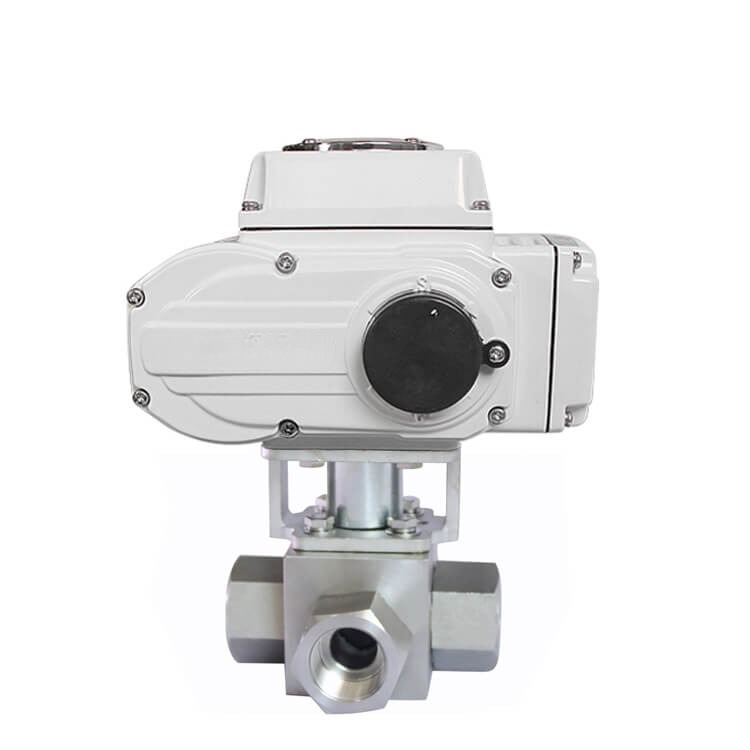
As global industry accelerates toward greater efficiency, precision, and automation, a key enabling technology has been quietly reshaping the landscape of fluid control systems: the high pressure electric ball valve. Once a niche product reserved for demanding process environments, this advanced valve type is now at the forefront of innovation across energy, manufacturing, chemical processing, oil & gas, power generation, water treatment, and other critical sectors.
Featuring robust construction, high-speed electric actuation, and exceptional reliability under extreme conditions, high pressure electric ball valves are rapidly replacing traditional valve solutions — bringing unparalleled performance benefits for operators worldwide.
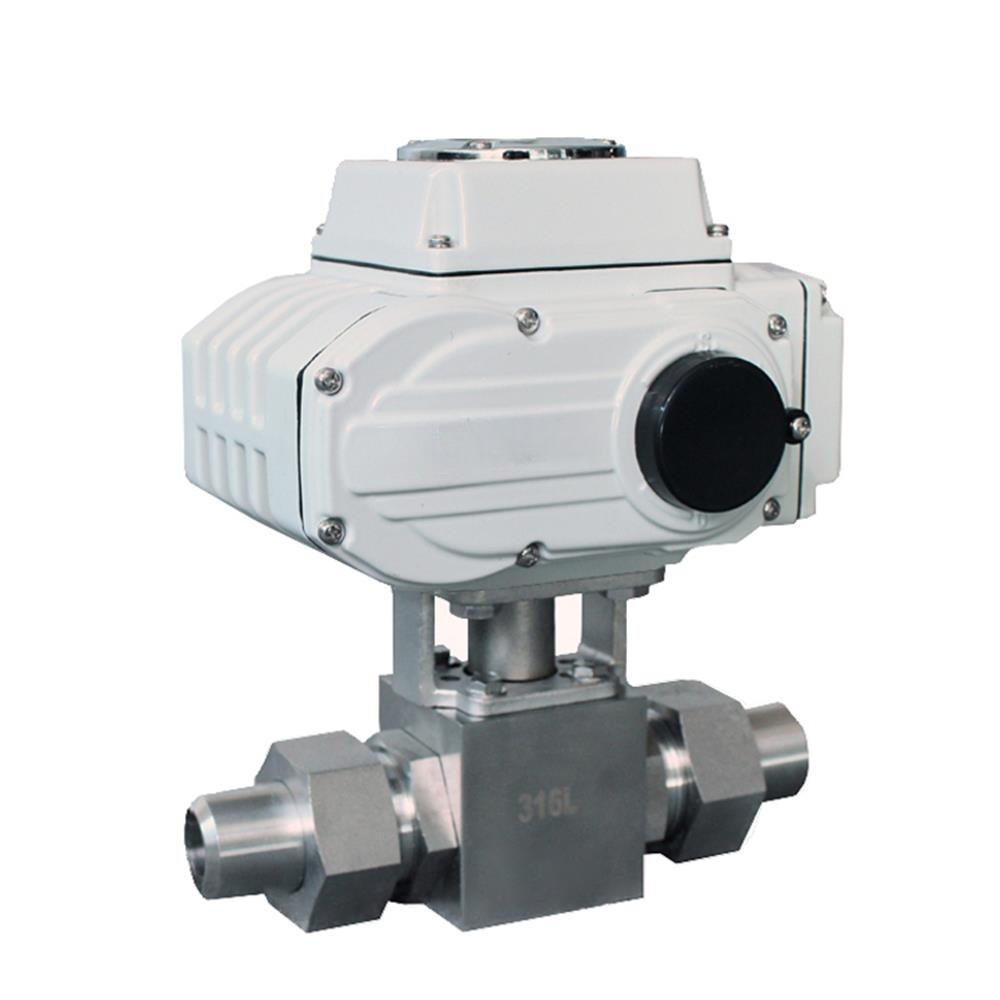
At its core, a ball valve uses a perforated sphere (the "ball") to control flow. Rotating the ball 90 degrees opens or closes the passage, enabling flow control with minimal leakage. A high pressure electric ball valve integrates this proven mechanism with an electric actuator designed to operate the valve under high pressure conditions — often exceeding hundreds or thousands of psi.
Unlike pneumatic or manual systems, electric actuation allows for precise, programmable control of the valve's position, enabling remote operations, automation, and integration with digital control systems (DCS/SCADA/PLC).
The result: unmatched reliability and accuracy even in the most challenging industrial environments.
Several global trends have converged to elevate the importance of high pressure electric ball valves in industrial systems:
Modern plants demand valves that can be integrated into automated workflows. Electric ball valves with advanced feedback sensors, network communication protocols (e.g., Modbus, PROFIBUS, HART), and position monitoring are essential for real-time control and intelligent decision-making.
Digital plant architectures rely on valve performance data — and electric ball valves fit this paradigm seamlessly.
Hazardous environments — such as offshore oil platforms, petrochemical plants, and high-temperature steam networks — require valve systems that reduce human exposure. Electric actuation allows operators to control valves safely from remote control rooms, minimizing on-site intervention.
Compared to pneumatically actuated valves that depend on compressed air systems (which incur energy losses), electric actuators consume power efficiently only during movement. With precise torque control and positional feedback, electric valves reduce wear, minimize pressure surges, and optimize flow performance.
Applications like high pressure steam, supercritical CO₂, hydraulic systems, and industrial gases require valves that can withstand extreme pressures without compromise. High pressure electric ball valves have emerged as ideal solutions, engineered for durability and safety under demanding loads.
High pressure electric ball valves differentiate themselves from standard ball valves through a combination of specialized design elements:
To handle elevated pressures (often ranging from ANSI Class 900 up to Class 2500 and beyond), these valves are built from high-strength materials such as:
- Chromium-molybdenum steels
- Stainless steels (304, 316, CF8M)
- Duplex and super duplex alloys
- High-pressure carbon steels
These materials resist deformation, maintain tight sealing capacity, and withstand corrosion in harsh service conditions.
High pressure operation demands significant torque to overcome seat friction and ensure tight shut-off. Electric actuators designed for this purpose feature:
- High output torque motors
- Gear reduction systems for reliable positioning
- Integrated motor controls
- Position feedback sensors (limit switches, encoders)
Many models support automation protocols and customizable stroke speeds.
Pressure ratings and leakage performance depend heavily on sealing design. Typical sealing configurations include:
- PTFE or reinforced polymer seats for low friction
- Metal-to-metal seats for extreme temperatures
- Secondary seals (V-rings, O-rings) rated for high pressure
The result: exceptional shut-off ratings (typically Class VI or tight bubble-free performance).
For critical systems, fail-safe modes are available:
- Battery backup for emergency operation
- Manual override mechanisms
- Redundant sensors for fault detection
Such features ensure safety, even during power interruptions.
Oil & Gas: Subsea, Refining, and Pipeline Control
High pressure electric ball valves are indispensable in upstream, midstream, and downstream operations:
- Subsea manifolds and control systems
- High pressure pipelines
- Refinery processing units
- Gas injection systems
Their ability to handle extreme pressures, provide remote actuation, and integrate with digital control networks makes them ideal for mission-critical oil & gas infrastructure.
Power Generation and Steam Systems
Conventional steam systems, combined cycle plants, and thermal power facilities often require valves capable of throttling and shut-off under high pressure, high temperature steam. Electric ball valves meet these needs with:
- Tight shut-off at elevated temperatures
- Reliable cycling under frequent load changes
- Integration with plant automation systems for load-following operation
Chemical & Petrochemical Processing
Chemical processes often involve corrosive fluids under high pressure. Electric ball valves constructed with corrosion-resistant alloys deliver long service life and exceptional performance, ensuring operational safety in plants handling acids, solvents, and reactive compounds.
Manufacturing and Industrial Automation
From high pressure hydraulic systems to automated material handling lines, electric ball valves offer precise flow control and seamless integration with programmable logic controllers (PLC) and distributed control systems (DCS).
Water Treatment and High Pressure Cleaning Systems
Advanced water treatment applications — such as reverse osmosis and high pressure cleaning stations — benefit from electric ball valves that combine high pressure tolerance with minimal leakage.
A growing number of industries are transitioning from conventional valves (such as manual ball valves, gate valves, or pneumatically actuated valves) to high pressure electric ball valves. The principal advantages include:
Electric actuation with programmable controls ensures precise valve positioning, allowing fine-tuned regulation of flow. This level of accuracy is unattainable with manual or purely mechanical actuators.
Electric ball valves integrate seamlessly with industrial control systems, enabling remote operation and real-time monitoring — essential for modern smart plants.
Electric actuation eliminates the need for compressed air systems (required by pneumatic actuators). Without the overhead costs of air generation and leakage losses, plants can reduce energy consumption and maintenance expenses.
With remote control and automation, operators avoid direct exposure to hazardous zones. Built-in diagnostics and fail-safe mechanisms further enhance operational safety.
Robust materials, precision-machined components, and engineered sealing systems give high pressure electric ball valves long service life, even under frequent cycling and extreme conditions.
While the benefits are clear, engineers and plant operators must account for key considerations when specifying high pressure electric ball valves:
Electrical Power Availability
Electric actuation requires reliable power supply. In remote locations or environments with unstable power, auxiliary power units or UPS systems may be necessary to ensure uninterrupted operation.
Installation and Maintenance Planning
Although electric ball valves are generally low-maintenance, they require appropriate installation, especially in high pressure systems where vibration, shock, and thermal expansion can affect performance.
Cost Considerations
Premium materials, advanced actuators, and digital control integration can make these valves more expensive upfront compared to simpler valve types. However, lifecycle cost savings often justify the investment.
A major refinery in the Asia-Pacific region recently completed a modernization project focused on reducing emissions and improving processing efficiency. As part of this upgrade, the plant replaced numerous manually actuated and pneumatically controlled valves in high pressure service with state-of-the-art high pressure electric ball valves.
The outcomes were significant:
- 30% reduction in unplanned downtime
- Improved process control through integration with advanced PLC systems
- Elimination of compressed air system inefficiencies
- Enhanced safety for operations personnel
Operators reported smoother control transitions and reduced maintenance demands, reinforcing the value of electrified valve systems in modern process industries.
High pressure electric ball valves are subject to strict industrial standards to ensure safety and reliability. Key certifications and compliance references include:
- API 6A / API 608 – For oil & gas industry ball valves
- ASME B16.34 – Pressure-temperature ratings, materials
- ISO 5211 – Actuator mounting and interface standards
- CE / ATEX / IECEx – For explosive atmospheres
- NACE MR0175 / ISO 15156 – For corrosion resistance in sour service environments
Adhering to these standards ensures valves perform reliably under rated conditions and meet regulatory requirements globally.
Industrial electrification — including the adoption of electric actuators — plays a significant role in sustainability goals:
- Reduced energy waste compared to pneumatic systems
- Improved process efficiency
- Enhanced leak-tight performance reduces fugitive emissions
- Remote control reduces personnel risk and exposure
As environmental regulations tighten and carbon reduction targets become more ambitious, high pressure electric ball valves help industrial operators achieve measurable improvements.
The growth trajectory for high pressure electric ball valves is strong, driven by:
- Increased digital transformation in industrial facilities
- Expansion of renewable energy systems requiring advanced fluid control
- Ongoing upgrades to aging infrastructure
- Demand for safer, more efficient flow control solutions
Integration with Industrial Internet of Things (IIoT) platforms, predictive maintenance algorithms, and cloud-based analytics will further enhance the performance and value proposition of these valves.
In particular:
Smart Valve Networks
Valves equipped with embedded sensors and communication modules will become nodes in smart networks, enabling predictive fault detection, adaptive control logic, and self-diagnosing capabilities.
Edge Computing Integration
By processing data locally at the valve or actuator, facilities can reduce latency and improve responsiveness for critical control loops — especially in high pressure environments where split-second decisions matter.
Battery-Assisted and Hybrid Power Solutions
Hybrid power configurations, combining electric actuation with backup energy storage, will address power reliability challenges in remote or unstable grid locations.
High pressure electric ball valves have evolved from specialized components to essential elements of modern industrial control systems. As energy landscapes shift, automation becomes pervasive, and sustainability goals intensify, these valves offer a compelling combination of precision, safety, efficiency, and digital compatibility.
Whether replacing outdated pneumatic systems, enabling remote operation in hazardous environments, or serving as integral parts of advanced fluid control architectures, high pressure electric ball valves are advancing the way industries manage flow under pressure.
With continued innovation and adoption, the stage is set for these technologies to play a central role in the future of industrial fluid control — empowering facilities to achieve greater performance while reducing environmental impact and operational risk.