Inside Single Seated Globe Control Valves: Design, Performance, and Reliability
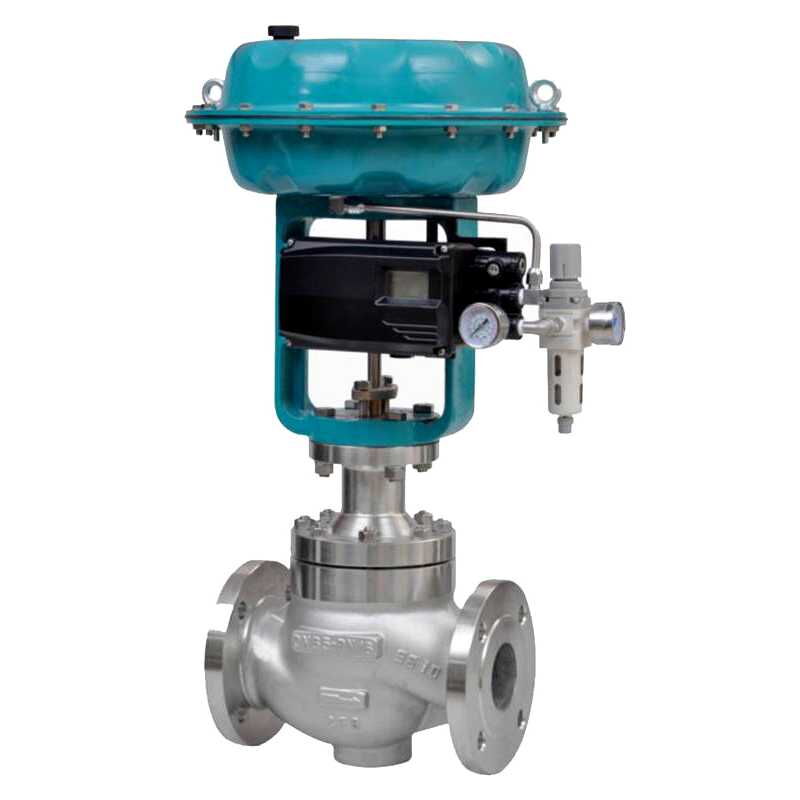
As industries continue to pursue higher efficiency, tighter safety standards, and greater automation, the demand for accurate and reliable flow control solutions is rising rapidly. Among the most widely used devices in this space is the single seated globe control valve—a cornerstone component in applications where precise regulation, dependable shutoff, and stable performance under varying pressures are essential.
From oil and gas processing and power generation to chemical production, water treatment, and HVAC systems, single seated globe control valves provide the control accuracy needed to optimize processes, reduce energy consumption, and maintain system integrity. This article explores the working principles, design features, advantages, applications, and emerging trends surrounding this critical valve technology.
A single seated globe control valve is a linear motion valve designed to regulate fluid flow by moving a plug (or disc) toward or away from a single valve seat. Unlike isolation valves that are intended solely for on/off operation, control valves continuously adjust flow based on control signals from process automation systems.
The "single seated" configuration refers to the presence of one seating surface between the valve plug and seat ring. This design provides a tight seal, excellent controllability, and predictable flow characteristics, making it ideal for applications where leakage must be minimized and precise modulation is required.
In operation, a pneumatic, electric, or hydraulic actuator moves the valve stem. As the plug changes position relative to the seat, the flow area is altered, thereby controlling the rate of fluid passing through the valve.
Process industries rely on consistent, accurate control of pressure, temperature, flow rate, and level. Small deviations can result in:
- Reduced product quality
- Increased energy consumption
- Equipment damage
- Safety hazards
- Regulatory non-compliance
Single seated globe control valves are engineered to deliver high-resolution control, making them a preferred choice for critical services where stability and repeatability are non-negotiable.
Unlike rotary valves (such as ball or butterfly control valves), globe valves operate with linear movement. This design provides:
- Fine positioning of the plug
- Smooth modulation of flow
- Predictable flow characteristics
Linear motion ensures precise response to control signals, particularly at low flow rates where accuracy is crucial.
In a single seated design:
- One plug seals against one seat ring
- The pressure differential across the plug creates a net force on the actuator
- The valve offers excellent shutoff performance
While this configuration requires a stronger actuator to overcome pressure forces, it also enables tight sealing and reduced leakage, often meeting Class IV, V, or VI shutoff standards when paired with appropriate trim and soft-seated materials.
Single seated globe control valves can be supplied with different trim designs to achieve specific flow characteristics:
- Linear: Flow rate changes proportionally with valve travel—ideal for level control.
- Equal Percentage: Each increment of valve opening results in a proportional change relative to current flow—commonly used in pressure and temperature control.
- Quick Opening: Provides large flow increase with small initial movement—used in on/off or safety applications.
Selecting the correct characteristic is essential for stable control and optimal system response.
The linear motion and well-defined seat geometry allow precise adjustment of flow, making these valves suitable for demanding control loops.
Single seat designs offer superior sealing compared to multi-seat configurations, minimizing internal leakage and improving process reliability.
Single seated globe control valves are available in various sizes, pressure classes, and materials, enabling use in both small instrumentation lines and large process pipelines.
Common body and trim materials include:
- Carbon steel (WCB, A105)
- Stainless steel (CF8, CF8M, 316)
- Alloy steel (WC6, WC9, C12)
- Special alloys for corrosive or high-temperature services
This versatility ensures compatibility with steam, gas, oil, chemicals, water, and corrosive media.
Single seated globe control valves can be equipped with:
Pneumatic actuators: Preferred for fast response and intrinsic safety
Electric actuators: Suitable for precise positioning and remote installations
Hydraulic actuators: Used in high-force applications
Positioners, limit switches, and digital controllers further enhance performance and integration with automation systems.
Single seated globe valves deliver exceptional control accuracy across a wide operating range, ensuring stable process conditions even under fluctuating pressures and temperatures.
With only one sealing interface, these valves provide tight shutoff, reducing losses, contamination, and safety risks—especially critical in hazardous or high-value media applications.
Well-defined flow characteristics simplify control loop tuning and improve system responsiveness, reducing oscillations and overshoot.
From steam control in power plants to chemical dosing in process industries, single seated globe control valves adapt easily to diverse operating conditions.
Most designs allow access to internal trim without removing the valve body from the pipeline, reducing downtime and maintenance costs.
In thermal and combined-cycle power plants, single seated globe control valves regulate:
- Boiler feedwater
- Steam flow to turbines
- Condensate return
- Cooling water systems
Their ability to handle high temperatures and pressures while maintaining precise control makes them indispensable in power generation.
Upstream, midstream, and downstream operations rely on these valves for:
- Pressure control in separators
- Flow regulation in pipelines
- Fuel gas management
- Chemical injection systems
The tight shutoff and robust construction enhance safety and operational efficiency in demanding environments.
Chemical plants require precise flow control to maintain reaction conditions and product quality. Single seated globe control valves are widely used in:
- Reactor feed lines
- Heat exchanger circuits
- Distillation columns
- Solvent and additive dosing
Their predictable characteristics ensure consistent process performance.
Municipal and industrial water facilities use these valves to control:
- Filtration and treatment processes
- Pump discharge lines
- Chemical dosing systems
- Sludge handling
Accurate control helps maintain regulatory compliance and reduce energy consumption.
In commercial buildings and district heating systems, single seated globe control valves regulate:
- Chilled water flow
- Steam and hot water distribution
- Air handling unit coils
Their stable modulation supports energy-efficient climate control.
While both designs are used in process control, there are important distinctions:
Feature | Single Seated | Double Seated |
Leakage | Very low | Higher |
Actuator Force | Higher required | Lower required |
Shutoff Tightness | Excellent | Moderate |
Control Accuracy | High | Moderate |
Application | Critical control | High-pressure drop, less critical control |
Single seated valves are preferred where tight shutoff and precise control are required, while double seated valves may be chosen for very high-pressure applications where actuator sizing is a concern.
Choosing the correct single seated globe control valve involves several engineering factors:
The valve must be sized to handle maximum and minimum flow rates without operating too close to fully open or fully closed positions, ensuring stable control.
Understanding the differential pressure across the valve is critical for selecting appropriate trim and actuator force.
Material selection must consider corrosion resistance, erosion, thermal expansion, and chemical compatibility.
High-pressure drops can cause cavitation, flashing, or excessive noise. Anti-cavitation trims, multi-stage pressure reduction, or hardened materials may be required for severe service.
In harsh operating environments, standard valve designs may be insufficient. Single seated globe control valves can be engineered for severe service, including:
- High-temperature steam
- Abrasive slurries
- Corrosive chemicals
- High-pressure drop applications
Special trims, such as hardened alloys, cage-guided plugs, and multi-hole designs, improve durability, reduce noise, and prevent erosion.
Modern control valves are increasingly equipped with digital positioners that provide:
- Real-time valve position feedback
- Diagnostic data on friction, wear, and response time
- Remote calibration and configuration
These features enable predictive maintenance and improve overall system reliability.
Single seated globe control valves can integrate with automation platforms via protocols such as:
- HART
- Modbus
- Profibus
- Foundation Fieldbus
This connectivity supports centralized monitoring and control within advanced plant management systems.
Precise flow control contributes directly to energy efficiency. By minimizing overshoot, leakage, and pressure losses, single seated globe control valves help:
- Reduce pump and compressor energy consumption
- Optimize heat transfer efficiency
- Minimize waste and emissions
In industries facing stricter environmental regulations, efficient control valves are a key component of sustainable operations.
Typical maintenance tasks include:
- Inspection of seats and plugs
- Replacement of packing and seals
- Calibration of positioners
Modern designs allow for in-line maintenance, minimizing downtime.
While single seated globe control valves may have a higher initial cost compared to simpler valve types, their long service life, reduced leakage, and lower energy losses often result in lower total lifecycle costs.
Growth in Process Automation
The global trend toward Industry 4.0 and smart manufacturing is driving demand for high-performance control valves that can integrate with digital systems.
Increased Focus on Safety and Compliance
Stricter safety and environmental regulations are pushing industries to adopt valves with better shutoff performance and reliability, favoring single seated designs.
Customization and Modular Design
Manufacturers are increasingly offering customizable trim options, actuator packages, and digital accessories, allowing end users to tailor valves to specific applications.
Expansion in Emerging Markets
Rapid industrialization in developing economies is fueling demand for reliable flow control equipment across power generation, water infrastructure, and chemical processing sectors.
Despite their advantages, single seated globe control valves face challenges such as:
- Higher actuator force requirements
- Potential for unbalanced forces at high pressure drops
- Sensitivity to erosion in abrasive media
Ongoing research and development is addressing these issues through:
- Improved trim designs
- Advanced materials
- Integrated condition monitoring systems
Future designs are expected to deliver greater durability, lower energy consumption, and enhanced digital integration.
Single seated globe control valves remain a fundamental component in modern process control, offering unmatched precision, tight shutoff, and reliable performance across a wide range of industries. From power plants and refineries to chemical factories, water treatment facilities, and commercial buildings, these valves enable operators to maintain optimal process conditions while improving safety, efficiency, and sustainability.
As automation, digitalization, and environmental responsibility continue to shape the industrial landscape, the importance of high-performance control valves will only grow. With advanced materials, smart diagnostics, and flexible design options, single seated globe control valves are well-positioned to meet the evolving demands of today’s and tomorrow’s process industries.
