A Complete Guide to Self-Operated Electronic Temperature Control Valves
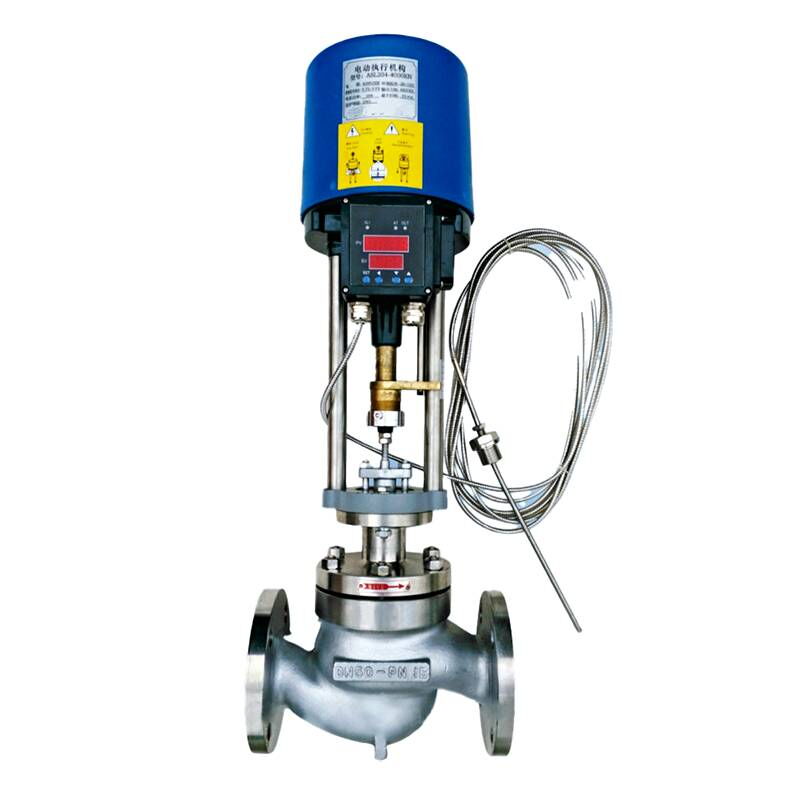
In modern industrial processes, maintaining precise temperature control is essential. Whether in chemical production, HVAC systems, district heating, or manufacturing facilities, temperature fluctuations can impact product quality, energy efficiency, and overall system reliability. To address this need, self-operated electronic temperature control valves have emerged as a powerful solution, combining the simplicity of self-operated mechanisms with the precision of electronic control.
These valves operate autonomously, without requiring external power sources, compressors, or manual intervention, while providing accurate temperature regulation. By intelligently responding to temperature changes in real-time, self-operated electronic valves improve operational efficiency, reduce energy consumption, and enhance system safety.
This article provides an in-depth look at self-operated electronic temperature control valves, including their working principles, advantages, types, key applications, and factors to consider when selecting a valve for industrial use.
A self-operated electronic temperature control valve is a type of control valve that regulates fluid temperature in a system by automatically adjusting flow based on sensed temperature changes. Unlike conventional temperature control systems that rely on external actuators, controllers, and complex piping networks, self-operated valves use internal sensing mechanisms and electronic components to respond directly to temperature variations.
Key features include:
Autonomous Operation: These valves operate without the need for external power, compressed air, or manual adjustment.
Electronic Sensing and Control: Temperature sensors monitor the fluid or environment, sending electronic signals to adjust valve opening for precise control.
Integration with Industrial Systems: They can work independently or interface with building management or process control systems for real-time monitoring and data logging.
The combination of self-operation and electronic precision makes these valves particularly suitable for industries where temperature stability is critical and energy efficiency is a priority.
The operation of a self-operated electronic temperature control valve relies on sensing, feedback, and mechanical adjustment. The basic principle is relatively straightforward:
Temperature Sensing: A sensor, usually a thermistor, RTD, or thermocouple, measures the temperature of the medium (water, steam, air, or other fluids).
Signal Processing: The electronic controller interprets the sensor signal, comparing the actual temperature to the desired setpoint.
Valve Adjustment: Based on the difference between the sensed temperature and the setpoint, the valve stem or actuator adjusts the valve opening to increase or reduce flow.
Self-Operation Mechanism: The mechanical components ensure smooth adjustment without requiring external power, while the electronic feedback enhances accuracy and responsiveness.
This process allows the valve to continuously maintain the target temperature, automatically compensating for fluctuations in system demand or environmental conditions.
Self-operated electronic temperature control valves offer numerous benefits over traditional manual or externally actuated valves. These advantages make them increasingly popular in industrial and commercial applications.
The combination of self-operation and electronic feedback ensures that temperature is maintained within tight tolerances. This is critical in processes where even minor deviations can affect product quality or system efficiency.
By accurately controlling flow, these valves prevent unnecessary heating or cooling, reducing energy consumption. This efficiency contributes to lower operating costs and a smaller environmental footprint.
Because the valve operates independently, installation is straightforward, and there is no need for complex piping, wiring, or external control systems. Once installed, the valve adjusts automatically, reducing the need for manual intervention.
Fewer external components and simple self-operated mechanisms result in lower maintenance requirements. Electronic feedback components are designed to be durable, and most valves feature easy-to-replace sensors or actuators.
Precise temperature control reduces the risk of overheating, thermal shock, or system failure. Many self-operated electronic valves also include fail-safe modes, ensuring that the system remains safe in case of sensor failure or abnormal conditions.
These valves can be used in a wide range of fluids, pressures, and temperatures, and can interface with building automation systems (BAS) or industrial control systems (ICS) for monitoring and optimization.
Depending on application requirements, there are several common types of self-operated electronic temperature control valves:
These valves are used in heating, ventilation, and air conditioning (HVAC) systems, district heating networks, and industrial water loops. They maintain water at a desired temperature by modulating flow to radiators, heat exchangers, or process equipment.
Typical applications: HVAC systems, hot water distribution, cooling circuits
Key features: Stainless steel or brass construction, corrosion resistance, electronic temperature sensing
Steam applications require robust valves capable of withstanding high pressures and temperatures. Self-operated electronic steam valves adjust the flow of live or saturated steam to maintain precise process temperatures.
Typical applications: Sterilization, heating processes, steam distribution
Key features: High-temperature tolerance, durable materials, tight shut-off
In chemical plants or oil refineries, maintaining precise fluid temperatures is critical for reaction control and safety. Self-operated electronic valves are designed for compatibility with viscous, corrosive, or hazardous fluids.
Typical applications: Chemical reactors, lubricant circulation, refinery heating systems
Key features: Chemical-resistant seals, high-precision electronic sensors, fail-safe operation
Temperature regulation in compressed air, gas heating, or ventilation systems can be achieved with self-operated electronic valves designed for low-density fluids.
Typical applications: Cleanrooms, ventilation systems, process gas heating
Key features: Lightweight design, fast response, minimal pressure drop
Understanding the main components of a self-operated electronic temperature control valve is essential for selection, maintenance, and troubleshooting:
Valve Body: Made from stainless steel, brass, or other durable materials suitable for the fluid and environment.
Actuator: Mechanically adjusts the valve stem based on sensor input.
Electronic Sensor: Measures temperature and provides real-time data to the control system.
Controller/Processor: Interprets sensor signals and determines valve position.
Feedback Mechanism: Ensures accurate position of the valve and prevents overshooting the setpoint.
Seals and Packing: Provide leak-tight operation and chemical resistance where required.
Self-operated electronic temperature control valves are versatile and can be applied across multiple industries:
Maintain comfortable indoor climates
Control water flow to radiators and fan coils
Integrate with smart building systems
Control temperature in chemical reactions
Regulate cooling or heating loops in manufacturing
Maintain thermal stability in production lines
Modulate flow in heating networks
Optimize energy efficiency for large-scale buildings
Reduce heat losses and improve system performance
Maintain precise cooking or pasteurization temperatures
Control flow in beverage processing lines
Ensure product consistency and quality
Regulate flow in heating or cooling circuits
Maintain reaction temperatures for chemical processing
Enhance safety and efficiency in high-temperature systems
Choosing the appropriate self-operated electronic temperature control valve requires careful evaluation:
Temperature Range: Ensure the valve can handle minimum and maximum process temperatures.
Pressure Rating: Match the valve to system operating pressures.
Fluid Compatibility: Check for chemical compatibility, viscosity, and density.
Flow Requirements: Ensure the valve can handle required flow rates with minimal pressure drop.
Electronic Features: Select sensors and controllers suitable for process integration and monitoring.
Maintenance and Accessibility: Consider ease of sensor replacement and valve servicing.
By evaluating these factors, operators can maximize valve lifespan, maintain accurate temperature control, and ensure safe operation.
Self-operated electronic temperature control valves provide several advantages compared to conventional mechanical or manually controlled valves:
No Need for External Power: Operates autonomously, reducing energy costs.
High Precision: Electronic feedback improves temperature stability.
Reduced Human Error: Automatic adjustments eliminate the need for manual interventions.
Versatile Integration: Works with industrial automation systems for data logging and remote monitoring.
Energy Savings: Minimizes overheating or overcooling, reducing operational costs.
While self-operated electronic temperature control valves are designed for reliability, regular maintenance is essential:
Inspect Sensors: Ensure thermistors or RTDs are functioning correctly.
Check Valve Operation: Verify smooth movement of the actuator and absence of sticking.
Seal Integrity: Inspect seals and packing for wear or leaks.
Calibration: Periodically calibrate electronic controllers to maintain accuracy.
System Cleanliness: Prevent clogging from debris or scale that could impede valve performance.
Troubleshooting typically involves identifying sensor errors, actuator malfunctions, or mechanical blockages, all of which can be addressed with routine inspections.
The market for self-operated electronic temperature control valves is evolving rapidly:
Smart Valves: Integration with IoT systems for real-time monitoring and predictive maintenance.
Advanced Materials: Corrosion-resistant alloys and high-temperature polymers for extreme applications.
Energy Optimization: Intelligent algorithms that minimize energy consumption while maintaining precise temperature.
Wireless Communication: Remote control and diagnostics without extensive wiring.
These trends point to a future where temperature control is not only precise and reliable but also smarter and more energy-efficient.
Self-operated electronic temperature control valves represent a critical innovation in industrial and commercial systems. By combining autonomous mechanical operation with precise electronic sensing, these valves offer unmatched efficiency, reliability, and safety.
From HVAC systems and manufacturing lines to chemical plants and district heating networks, these valves provide accurate temperature regulation, energy savings, and operational simplicity. Choosing the right valve involves considering temperature range, pressure, fluid type, flow requirements, and electronic features.
As industries continue to prioritize precision, efficiency, and sustainability, self-operated electronic temperature control valves will play an increasingly central role in modern process control. Their versatility, adaptability, and advanced features make them a key component for any system that requires stable and reliable temperature management.
