Electric Control Valve Wiring and Installation: A Comprehensive Guide for Reliable Operation
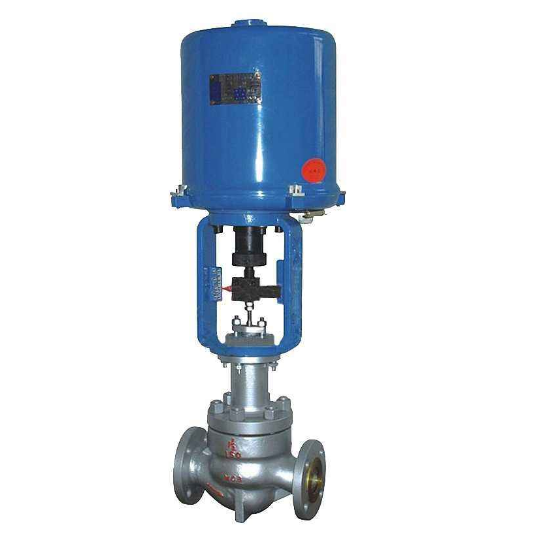
Electric control valves are critical components in modern industrial automation systems, combining mechanical valve bodies with electric actuators, positioners, and advanced control electronics. They play a vital role in regulating flow, pressure, temperature, and level across a wide range of industries, including oil and gas, power generation, chemical processing, water treatment, HVAC, and manufacturing.
Unlike manual or purely pneumatic valves, electric control valves rely heavily on correct electrical wiring and signal integration to deliver precise, repeatable, and stable performance. Improper wiring can lead to inaccurate control, erratic operation, communication failures, premature component damage, or even complete system shutdowns. Therefore, understanding the wiring principles, power requirements, control signals, and feedback connections is essential before installation and commissioning.
This article provides a detailed overview of electric control valve wiring, focusing on power supply requirements, control signal configuration, and feedback and limit switch connections. By following best practices outlined here, engineers, technicians, and project managers can ensure safe installation, reliable operation, and long-term performance of electric control valves in demanding industrial environments.
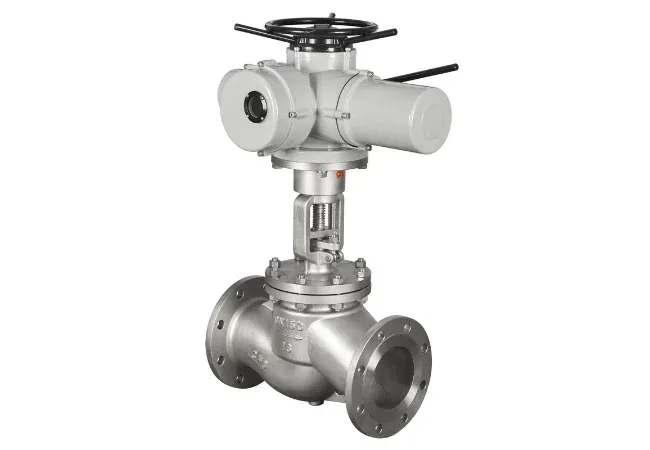
Before addressing wiring details, it is important to understand the main components involved in an electric control valve system. An electric control valve typically consists of the following elements:
- Valve body and trim: The mechanical part that directly regulates fluid flow.
- Electric actuator: Converts electrical energy into mechanical motion to open, close, or modulate the valve.
- Positioner or control module: Interprets control signals and adjusts actuator movement to achieve the desired valve position.
- Sensors and feedback devices: Provide real-time position or status information to the control system.
- Terminal blocks and wiring interfaces: Connect power, control signals, and feedback circuits.
Each of these components has specific electrical and wiring requirements. A clear understanding of their functions helps ensure correct wiring practices and avoids common installation errors.
The foundation of any electric control valve installation is a properly designed power supply. Electric control valves are commonly available in several standard power configurations, most notably 24V DC, 110V AC, and 220V AC. The exact voltage, frequency, and current requirements depend on the actuator design, torque rating, duty cycle, and manufacturer specifications.
Before installation, always consult the valve and actuator datasheet to confirm the correct power supply parameters. Applying an incorrect voltage can cause immediate damage to internal electronics, motor windings, or control boards. Even minor deviations from rated voltage can result in unstable operation, overheating, or reduced service life.
Power quality plays a crucial role in the performance of electric control valves. Voltage fluctuations, frequency variations, and electrical noise can interfere with actuator positioning accuracy and control electronics. In industrial environments where heavy machinery, variable frequency drives, or large motors are present, power disturbances are common.
To mitigate these risks, it is strongly recommended to use stabilized power supplies or dedicated power circuits for control valves. Surge protection devices should be installed to protect against voltage spikes caused by lightning, switching operations, or grid disturbances. In critical applications, isolation transformers may also be used to reduce electrical noise and improve system reliability.
Proper grounding is essential for both safety and performance. Electric control valves must be grounded in accordance with local electrical codes and international standards. Effective grounding protects personnel from electric shock, prevents damage to sensitive electronics, and reduces electromagnetic interference (EMI).
The actuator housing, control enclosure, and cable shields should all be connected to a reliable earth point. Poor grounding can lead to erratic control behavior, communication errors, and increased susceptibility to electrical noise.
In many process industries, maintaining valve position during power interruptions is critical. Sudden loss of power can cause uncontrolled process conditions, safety hazards, or production losses. To address this, uninterruptible power supplies (UPS) are often used to provide temporary backup power to electric control valves.
A properly sized UPS allows the valve to maintain its last position, move to a predefined fail-safe position, or continue controlled operation during short power outages. When selecting a UPS, consider actuator power consumption, response time, and required backup duration.
Electric control valves rely on control signals from a distributed control system (DCS), programmable logic controller (PLC), or other automation platforms. The most common analog control signals include:
4–20 mA current signals
0–10 V DC voltage signals
In addition to analog signals, many modern electric control valves support digital communication protocols such as HART, Foundation Fieldbus, Profibus, Modbus, or Ethernet-based protocols. These digital interfaces allow for advanced diagnostics, parameter configuration, and real-time data exchange.
Proper cable selection is critical for accurate signal transmission. Control signal wiring should use shielded cables with appropriate conductor size and insulation rating. The cable gauge should be selected based on signal type, transmission distance, and manufacturer recommendations.
Signal cables must be routed separately from power cables to minimize electromagnetic interference. A minimum separation distance of approximately 30 cm is generally recommended for parallel cable runs. Where signal and power cables must cross, they should do so at right angles to reduce induced noise.
Shielding is essential for protecting low-level control signals from electrical noise. The cable shield should be grounded at one end only—typically at the control system side—to avoid ground loops. Grounding both ends of the shield can introduce unwanted currents that distort the signal.
For installations with significant electromagnetic interference, twisted-pair shielded cables provide additional noise immunity and improve signal integrity.
For analog control signals, correct polarity is essential. Reversed polarity in a 4–20 mA loop will prevent the actuator from receiving a valid signal and may trigger fault alarms. Always verify terminal markings and wiring diagrams before energizing the system.
After wiring is complete, perform signal verification using a multimeter or signal simulator to confirm that the actuator receives the correct input range and responds appropriately across its full stroke.
Most modern electric control valves include built-in calibration and characterization functions. These features allow the control signal to be scaled to match the valve’s mechanical travel and flow characteristics. Proper calibration ensures accurate response at low, mid, and high operating ranges.
Characterization curves—such as linear, equal percentage, or quick opening—can be configured to optimize process control performance. Accurate calibration is especially important in applications requiring fine control, such as temperature regulation or chemical dosing.
Feedback signals provide real-time information about valve position and operational status. These signals are essential for closed-loop control systems, allowing the controller to compare the desired position with the actual valve position and make continuous adjustments.
Common feedback signal types include:
4–20 mA position feedback
Potentiometer-based position signals
Digital feedback via fieldbus protocols
Proper wiring of feedback circuits ensures accurate position reporting and reliable process control.
Feedback wiring should follow the same best practices as control signal wiring. Shielded twisted-pair cables are recommended, and adequate separation from power wiring must be maintained. The shield should be grounded at one end only to prevent noise coupling.
Terminal connections should be secure and properly labeled to avoid confusion during commissioning or maintenance. Loose connections can cause intermittent feedback signals, leading to unstable control behavior.
Many electric control valves are equipped with limit switches that provide discrete signals when the valve reaches fully open, fully closed, or predefined intermediate positions. These signals are commonly used for:
End-position confirmation
Safety interlocks
Alarm and status indication
Sequencing operations
Limit switches may operate at different voltage levels than control circuits, so it is important to verify their electrical ratings before wiring. Separate wiring may be required to interface with PLC digital inputs or safety systems.
Correct adjustment and testing of limit switches during commissioning ensure reliable operation and prevent false indications.
Advanced intelligent valve positioners often provide additional diagnostic data through feedback circuits or digital communication interfaces. This data may include cycle counts, total travel distance, response time, torque trends, and fault histories.
Access to diagnostic information enables predictive maintenance strategies, allowing operators to detect wear, misalignment, or abnormal conditions before failures occur. Proper wiring and configuration of feedback and communication channels are essential to fully utilize these advanced features.
After completing all wiring connections, a systematic commissioning process should be followed. This includes:
Visual inspection of wiring and terminal connections
Verification of power supply voltage and grounding
Control signal testing across the full operating range
Feedback signal validation and limit switch testing
Functional testing under simulated process conditions
Documenting wiring configurations, terminal assignments, and parameter settings is highly recommended. Clear documentation simplifies future maintenance, troubleshooting, and system upgrades.
Electric control valves are indispensable components in modern automated process systems, offering precise control, flexibility, and advanced diagnostic capabilities. However, their performance and reliability depend heavily on correct electrical wiring and signal integration.
By carefully addressing power supply requirements, ensuring proper control signal wiring, and correctly configuring feedback and limit switch connections, users can significantly reduce the risk of operational issues and extend the service life of their equipment. Adhering to best practices in grounding, shielding, calibration, and commissioning further enhances system stability and accuracy.
In an era of increasingly complex industrial processes, investing time and attention in proper electric control valve wiring is not just a technical necessity—it is a strategic decision that supports safety, efficiency, and long-term operational success.
