Pneumatic Gate Valves: Enhancing Efficiency and Control in Fluid Systems
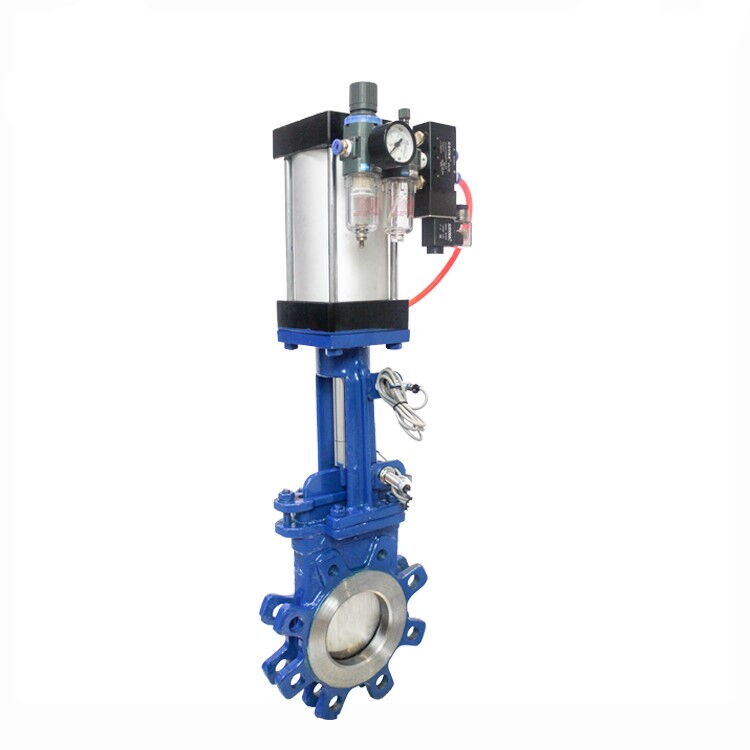
In modern industrial applications, the control of fluid flow is a critical aspect of operational efficiency, safety, and system reliability. Among the various valve technologies available, pneumatic gate valves have emerged as a preferred solution for many industries due to their precise control, automation capabilities, and versatility. By integrating pneumatic actuators with traditional gate valve designs, these valves provide enhanced control over the flow of liquids, gases, and steam in pipelines while reducing the need for manual intervention.
Pneumatic gate valves are widely used in industries such as oil and gas, chemical processing, water treatment, power generation, and manufacturing. Their ability to operate remotely, withstand harsh conditions, and provide reliable sealing makes them indispensable in many critical systems. This article explores the types, working principles, advantages, applications, and considerations for pneumatic gate valves, highlighting why they are essential in contemporary fluid management.
A pneumatic gate valve is a type of valve that combines the mechanical design of a gate valve with a pneumatic actuator. The pneumatic actuator uses compressed air to move a piston or diaphragm, which in turn opens or closes the gate inside the valve body. This integration allows for automated control of fluid flow without the need for manual operation, making these valves highly suitable for systems where frequent operation or remote control is required.
The gate itself acts as a barrier inside the valve body. By raising or lowering the gate, the valve either allows fluid to pass through the pipeline or completely blocks the flow. Pneumatic gate valves can handle high pressures, large flow volumes, and a wide range of fluids, including water, oil, chemicals, and steam.
There are two main types of pneumatic gate valves based on stem design:
Rising stem gate valves have a stem directly connected to the gate, which moves upward or downward as the valve opens or closes. This design provides several key benefits:
Visual Position Indicator: The stem rises when the valve opens, offering a clear, visual indication of whether the valve is open or closed.
Manual Operation Capability: In case of actuator failure or loss of air supply, the valve can still be operated manually.
Reliable Sealing: The rising stem design ensures that the gate and seat align accurately, providing a tight seal that minimizes leakage.
These valves are often used in applications where precise control and frequent monitoring of valve position are required, such as in water distribution, chemical pipelines, and power plants.
Non-rising stem gate valves differ from their rising stem counterparts in that the stem does not move vertically as the gate moves. Instead, the gate slides within the valve body while the stem remains stationary. Key advantages of this design include:
Space Efficiency: Non-rising stem valves are ideal for areas with limited vertical clearance, such as underground installations or compact piping systems.
Simplified Installation: Because the stem does not rise, these valves can be installed in tight spaces without requiring additional overhead room.
Reduced Maintenance: With fewer moving parts exposed, non-rising stem valves can be less susceptible to mechanical wear and corrosion.
These valves are commonly found in municipal water systems, wastewater treatment plants, and industrial pipelines where space constraints are a concern.
The operation of a pneumatic gate valve relies on the combination of a pneumatic actuator and the mechanical movement of the valve stem and gate. The valve can be operated either automatically using compressed air or manually using a handwheel or screw rod. Understanding the working principle helps operators maintain, troubleshoot, and optimize valve performance.
The pneumatic actuator consists of a cylinder with a piston or diaphragm. Compressed air is introduced into the actuator through inlet pipes, causing the piston to move. This movement is transmitted to the valve stem, which in turn moves the gate:
Air Supply to Upper Cylinder: When compressed air is supplied from the upper inlet, the piston moves downward, pushing the valve stem and gate downward. This closes the valve and blocks the flow of fluid.
Air Supply to Lower Cylinder: When compressed air is supplied from the lower inlet, the piston moves upward, lifting the valve stem and gate. This opens the valve and allows fluid to flow through the pipeline.
The pneumatic actuator provides rapid, smooth, and consistent movement, reducing the time and effort required compared to manual operation. Additionally, the actuator can be configured for fail-safe modes, where the valve automatically opens or closes if the air supply fails.
In situations where compressed air is unavailable or the actuator requires maintenance, pneumatic gate valves can be operated manually:
The upper and lower intake pipes of the actuator are first put into the exhaust state.
The small manual handle is switched to the manual position, allowing the screw rod and opening/closing nut to control the valve.
Turning the large handwheel clockwise closes the valve, while turning it counterclockwise opens the valve.
This dual-operation capability ensures reliability and continuous operation even in emergency situations.
The design of pneumatic gate valves allows for seamless switching between pneumatic and manual modes. When the air supply is restored, operators can switch back to automated control without disassembling the actuator. This feature is particularly valuable in industrial applications where downtime must be minimized.
Pneumatic gate valves offer numerous benefits over manual or electrically actuated valves, making them ideal for modern industrial systems.
Pneumatic actuators enable quick opening and closing of valves, which is essential for emergency shut-off applications or systems requiring frequent flow adjustments.
By integrating with control systems, pneumatic gate valves can be operated remotely, monitored in real-time, and automated for precise fluid management. This reduces labor requirements and increases operational efficiency.
These valves are suitable for a wide range of media, including liquids, gases, and slurries. They can handle varying pressures, temperatures, and flow rates, making them adaptable to multiple industrial environments.
Pneumatic actuators can be configured to fail-open or fail-close in case of air supply loss, ensuring safety and protecting equipment downstream.
With fewer electrical components and robust mechanical design, pneumatic gate valves often require less maintenance than electrically actuated valves, especially in harsh or explosive environments.
Non-rising stem pneumatic gate valves are particularly valuable in installations with limited vertical space, enabling efficient use of plant layout without compromising performance.
Pneumatic gate valves are widely used across industries due to their reliability and adaptability.
In pipelines carrying crude oil, refined products, or natural gas, pneumatic gate valves control flow, isolate sections, and protect equipment from overpressure or leakage.
These valves are ideal for handling corrosive, toxic, or hazardous fluids. Pneumatic operation reduces human exposure to dangerous substances.
Municipal water supply systems and wastewater treatment facilities rely on pneumatic gate valves to regulate flow, isolate sections for maintenance, and ensure consistent delivery.
Steam pipelines and cooling systems in power plants use pneumatic gate valves to control the flow of high-temperature fluids safely and efficiently.
Sanitary pneumatic gate valves are used to manage liquids in processing lines, providing reliable operation while meeting hygiene standards.
To maximize the lifespan and performance of pneumatic gate valves, proper installation and maintenance are critical.
Ensure proper alignment of the valve body with the pipeline to avoid stress on the gate and stem.
Verify that the actuator is compatible with the valve size and pressure rating.
Provide access for manual operation, inspection, and maintenance.
Use clean, dry, and filtered compressed air to prevent actuator damage.
Periodically inspect the actuator, seals, and stem for wear or damage.
Lubricate moving parts as recommended by the manufacturer.
Test both pneumatic and manual operations to ensure smooth movement.
Replace worn or damaged components promptly to prevent leakage or operational failure.
Install safety devices such as pressure relief valves or limit switches to prevent overpressure or overtravel.
Train operators on both manual and pneumatic operation procedures.
Ensure that emergency shut-off protocols are in place.
The industrial valve sector continues to evolve, and pneumatic gate valves are no exception. Emerging trends include:
Integration with Smart Control Systems: Advanced sensors and IoT connectivity allow valves to communicate with central control systems for predictive maintenance and real-time monitoring.
Energy-Efficient Actuators: Innovations in actuator design reduce compressed air consumption while maintaining high performance.
Corrosion-Resistant Materials: New alloys and coatings extend valve life in harsh chemical or saline environments.
Compact and Modular Designs: Modern designs allow for easier installation in constrained spaces without compromising functionality.
Hybrid Operation Modes: Valves that combine pneumatic, manual, and electric operation are becoming increasingly common, offering flexibility and redundancy.
Pneumatic gate valves represent a critical component in modern industrial fluid systems, combining the reliability of traditional gate valves with the speed and automation of pneumatic actuators. Whether in oil and gas, chemical processing, water treatment, or power generation, these valves provide precise flow control, enhanced safety, and efficient operation.
By understanding the types, working principles, advantages, and applications of pneumatic gate valves, engineers and operators can design more reliable systems, reduce downtime, and optimize process performance. With the ongoing advancements in actuator technology, materials, and smart connectivity, pneumatic gate valves are poised to remain a cornerstone of industrial automation and fluid control for years to come.
