Guide to Self-Operated Pressure Control Valves: Types, Features, and Maintenance Tips
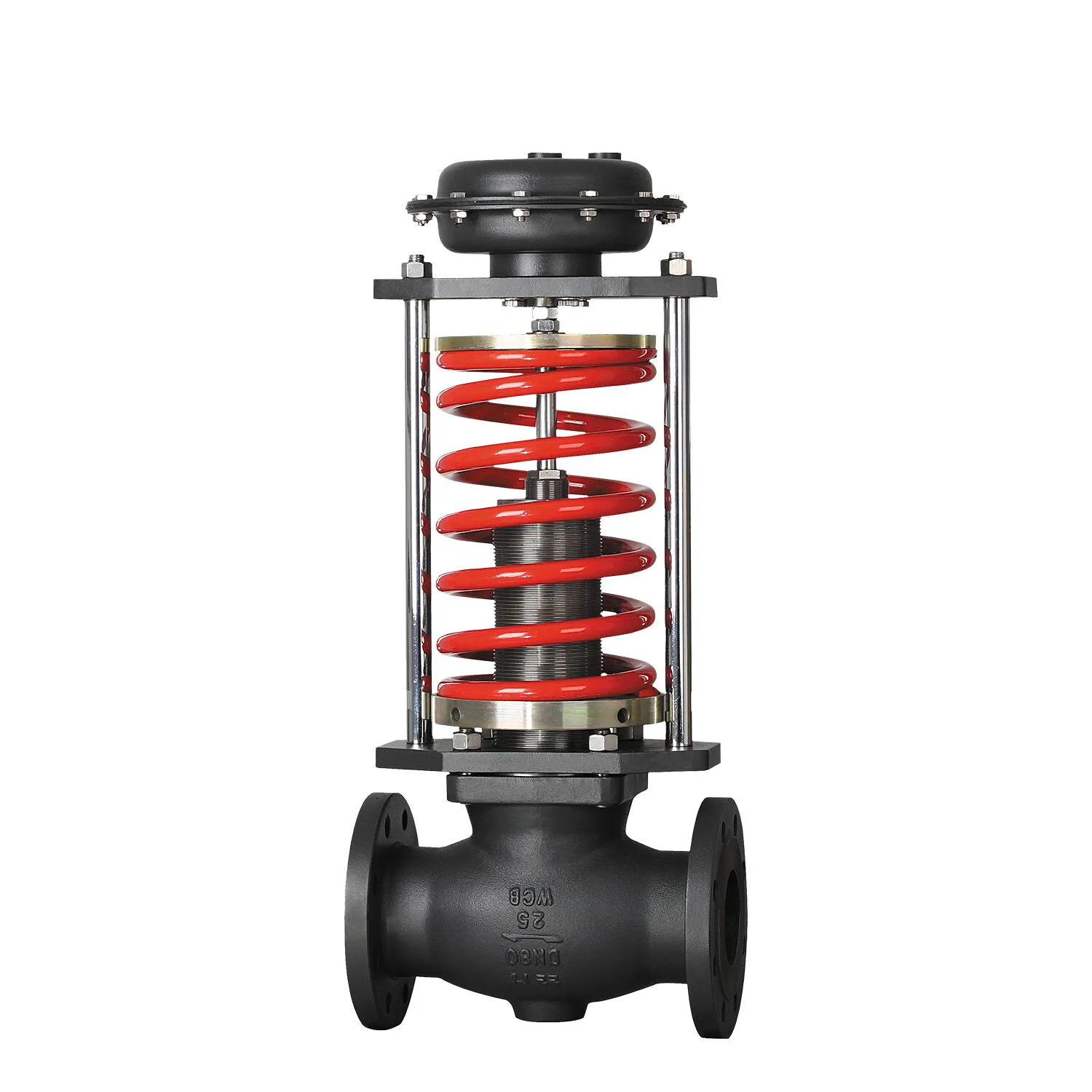
In modern industrial processes, precise pressure management is crucial for ensuring safety, operational efficiency, and equipment longevity. Among the wide range of pressure control solutions available, self-operated pressure control valves have emerged as a highly effective and reliable choice. Unlike conventional valves that rely on external power sources, pneumatic systems, or electrical control signals, self-operated pressure control valves are autonomous. They maintain the desired system pressure by automatically adjusting their position in response to real-time pressure fluctuations.
These valves are widely used across industries including oil and gas, chemical processing, water treatment, HVAC systems, and steam systems. Their simplicity, reliability, and cost-effectiveness make them particularly appealing in situations where installing an external control system may be impractical or cost-prohibitive.
This article explores the working principle, design, applications, advantages, maintenance considerations, and future trends of self-operated pressure control valves, providing a comprehensive overview for engineers, plant operators, and industry professionals.
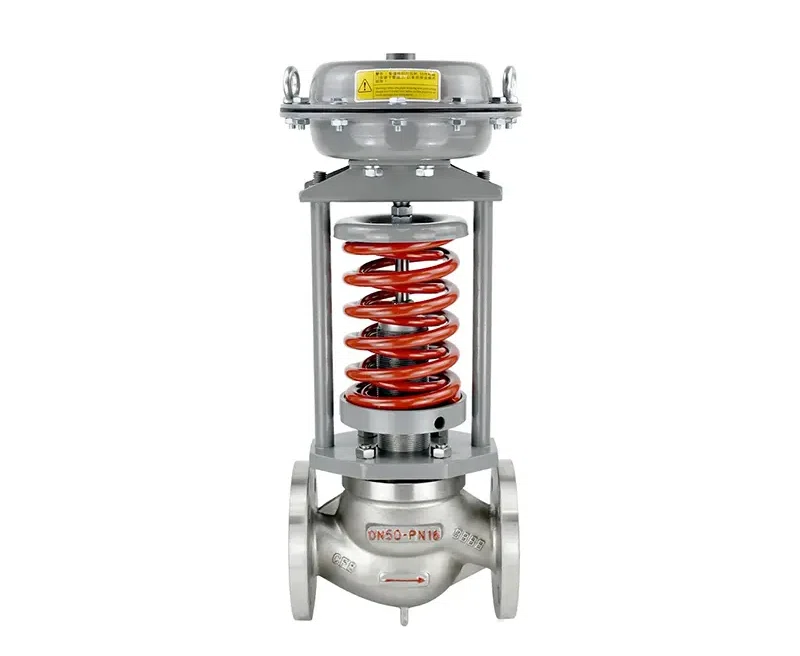
A self-operated pressure control valve is a valve designed to maintain a pre-set pressure within a system without requiring external control devices or power sources. Its operation is inherently autonomous, driven by the pressure difference detected within the system itself.
The fundamental components of a self-operated pressure control valve include:
- Valve Body – Provides the main passage for the fluid, typically constructed from durable materials such as stainless steel, carbon steel, or cast iron depending on the application.
- Pressure Sensing Element – Often a diaphragm, bellows, or piston, this element measures pressure variations within the system.
- Actuator or Control Mechanism – Converts the pressure signal from the sensing element into mechanical motion that adjusts the valve position.
- Setpoint Adjuster – A manual or mechanical adjustment that determines the target pressure the valve aims to maintain.
The self-operating feature eliminates the need for complex control loops, digital controllers, or auxiliary power, making these valves ideal for remote locations or hazardous environments.
The operation of a self-operated pressure control valve is based on an automatic feedback loop, which constantly monitors and responds to pressure changes. This ensures that the system remains at a stable, desired pressure.
The valve contains a sensing device, such as a diaphragm or bellows, that detects pressure variations in the system. As system pressure fluctuates, the sensing element deforms proportionally to the pressure difference. This deformation serves as a mechanical signal for the actuator to respond.
The deformation of the sensing element is directly linked to the actuator. As the pressure increases beyond the setpoint, the actuator reduces the valve opening, restricting flow and lowering the pressure. Conversely, when pressure drops below the setpoint, the actuator opens the valve further to increase flow and raise pressure.
The actuator serves as the core control mechanism. In many self-operated valves, this consists of a spring-loaded diaphragm or piston assembly that converts the sensing element's mechanical movement into valve motion. The force of the spring can be adjusted to define the desired pressure setpoint, offering flexibility in system design.
Once the valve responds to pressure deviations, it continuously adjusts its position to maintain the predefined setpoint. This dynamic, self-regulating behavior ensures consistent system pressure, even under variable flow conditions, eliminating the need for manual intervention or external control loops.
This self-regulation mechanism is particularly valuable in critical systems where sudden pressure spikes or drops can damage equipment, disrupt production, or compromise safety.
Self-operated pressure control valves come in a variety of designs to suit different industrial requirements. Common types include:
- Pressure Reducing Valves – Maintain downstream pressure at a set value regardless of upstream pressure fluctuations. Widely used in steam, gas, and water distribution systems.
- Back Pressure Valves – Maintain upstream pressure to prevent system overpressure or maintain minimum pressure in certain processes.
- Pressure Relief Valves – Protect pipelines and vessels by venting excess pressure when a critical threshold is exceeded.
- Pressure Sustaining Valves – Keep upstream pressure above a set level while allowing excess flow to bypass the valve.
- Combined Control Valves – Some advanced designs integrate reducing, sustaining, and relief functions in a single valve, providing multi-functional pressure control with minimal installation complexity.
The selection of a valve type depends on the process requirements, fluid characteristics, operating pressure range, and environmental conditions.
In upstream and downstream oil and gas operations, maintaining precise pressure control is critical to prevent pipeline rupture, compressor failure, and operational inefficiencies. Self-operated pressure control valves are widely used in:
- Gas pipeline pressure regulation
- Wellhead control systems
- Offshore platforms where power supply may be limited
Chemical processes often involve highly reactive fluids under varying pressures. Self-operated valves ensure stable pressure, preventing dangerous reactions, minimizing waste, and protecting expensive process equipment.
- Reactor feed pressure control
- Steam distribution in chemical plants
- Corrosive liquid handling, using specialized corrosion-resistant valve materials
Municipal and industrial water systems rely on pressure control to maintain consistent water flow and prevent pipe bursts. Self-operated valves reduce the need for external power, making them ideal for remote pumping stations and distribution networks.
Steam systems in power plants and industrial facilities require precise pressure regulation for turbines, boilers, and heat exchangers. Self-operated valves offer reliable control without complex instrumentation.
- Boiler feedwater control
- Steam distribution networks
- HVAC pressure balancing in large buildings
These sectors demand hygienic designs and precise control. Self-operated valves ensure consistent pressure while maintaining process safety and regulatory compliance.
Self-operated pressure control valves offer several significant advantages over externally controlled systems:
- Simplicity – No external power or control systems are needed, reducing installation complexity.
- Reliability – Fewer components and wiring reduce potential failure points.
- Cost-Effectiveness – Lower capital investment and reduced maintenance costs.
- Autonomy – Ideal for remote locations or hazardous areas with limited access to electricity.
- Responsive Control – Continuous feedback ensures rapid response to pressure fluctuations.
- Flexibility – Available in a wide range of materials, sizes, and pressure ratings to suit various fluids and operating conditions.
These benefits make self-operated valves a popular choice across diverse industries, especially where operational reliability and low maintenance are priorities.
Although self-operated valves are relatively simple to install, proper installation is critical for optimal performance:
- Orientation – Many self-operated valves require correct alignment to ensure accurate sensing and smooth operation.
- Upstream/Downstream Piping – Adequate straight runs may be needed to prevent turbulence from affecting pressure sensing.
- Accessibility – Position the valve for easy inspection and maintenance.
- Environmental Conditions – Consider temperature, humidity, and corrosive atmosphere when selecting materials and protective coatings.
Proper installation maximizes the valve's lifespan and ensures reliable performance under varying operating conditions.
Self-operated pressure control valves are low-maintenance, but periodic checks are essential:
- Inspection – Check for leaks, corrosion, and mechanical wear on diaphragms, springs, and seals.
- Cleaning – Remove debris or scale buildup that could impair actuator movement.
- Lubrication – Some valve types may require occasional lubrication for smooth mechanical operation.
- Setpoint Verification – Confirm that the valve maintains the desired pressure setpoint, especially after prolonged operation.
- Replacement of Worn Components – Replace diaphragms, springs, or seals as needed to restore optimal performance.
Proper maintenance ensures longevity, minimizes downtime, and maintains precise pressure control throughout the system.
Despite their advantages, self-operated pressure control valves face certain challenges:
- Limited Flow Capacity – In large-scale systems, self-operated valves may be insufficient without proper sizing.
- Pressure Range Limitations – Extremely high-pressure or vacuum systems may require specialized designs.
- Response Time – While responsive, extreme flow fluctuations can occasionally lead to temporary pressure overshoot or undershoot.
- Material Compatibility – In aggressive chemical environments, selecting the correct valve material is critical to prevent corrosion and failure.
Addressing these challenges involves careful system design, valve selection, and adherence to manufacturer recommendations.
The industry is evolving with technological advancements, enhancing the capabilities of self-operated valves:
- Integration with Smart Systems – Hybrid valves with built-in sensors and wireless communication can provide remote monitoring without external control loops.
- Advanced Materials – Use of high-performance alloys, composite materials, and coatings for improved corrosion resistance and longevity.
- Compact Designs – Smaller, lighter valves suitable for constrained spaces without sacrificing performance.
- Eco-Friendly Operation – Reduced energy consumption and environmentally safe materials align with sustainability goals.
- Predictive Maintenance – Combining self-operated mechanisms with condition monitoring allows predictive maintenance strategies for critical systems.
These trends position self-operated pressure control valves as an enduring, adaptable solution for industries that require reliable, autonomous pressure management.
Self-operated pressure control valves are indispensable tools in modern industrial systems. By providing autonomous, responsive, and reliable pressure regulation, they simplify operations, reduce costs, and improve system safety. From oil and gas pipelines to chemical reactors, water distribution, steam systems, and pharmaceutical applications, their versatility and efficiency make them a preferred choice for engineers and operators worldwide.
As the industry moves toward smarter, more sustainable solutions, self-operated valves continue to evolve with improved materials, compact designs, and integrated monitoring capabilities, ensuring their relevance in future industrial processes.
With proper selection, installation, and maintenance, self-operated pressure control valves offer long-term reliability, operational stability, and safety, making them a cornerstone of efficient industrial pressure management.
