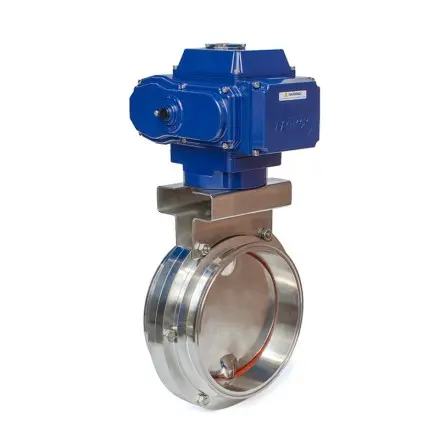
In industries where cleanliness, precision, and contamination control are critical, the importance of reliable valve technology cannot be overstated. The Electric Sanitary Butterfly Valve has emerged as a key component in modern hygienic processing systems, offering a combination of advanced automation, high-performance sealing, and compliance with stringent sanitary standards.
Designed with high-purity polished stainless steel, this valve type is engineered specifically for applications requiring strict hygiene, such as food processing, beverage production, pharmaceuticals, cosmetics, and biotechnology. By integrating an electric actuator with a sanitary butterfly valve body, it enables automated control over fluid flow—whether for simple on/off operation or precise throttling.
As industrial processes continue to evolve toward higher efficiency, digitalization, and stricter regulatory compliance, electric sanitary butterfly valves are becoming increasingly essential. Their ability to ensure contamination-free flow while improving operational efficiency makes them a preferred choice in modern production environments.
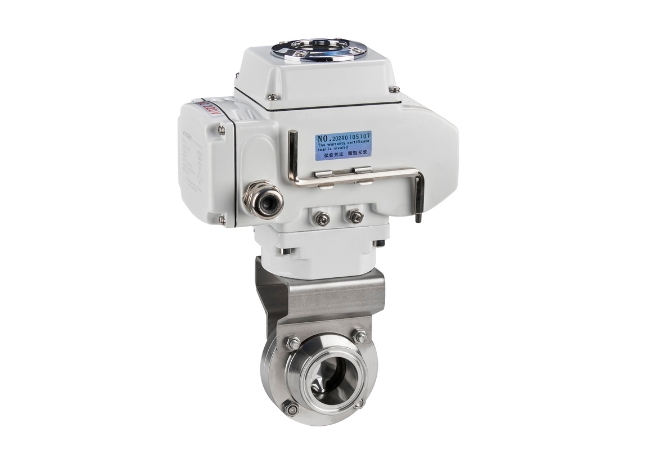
Electric sanitary butterfly valves are designed with a focus on performance, durability, and hygiene. Their unique structural and functional advantages set them apart from conventional valve types.
One of the most notable features is the valve's compact and lightweight construction. The butterfly disc design allows for minimal material usage while maintaining structural strength. This results in a valve that is easy to install, transport, and maintain without compromising durability.
The streamlined structure also ensures minimal flow resistance, making it ideal for systems requiring efficient fluid movement.
Thanks to the electric actuator, these valves provide rapid response times. The quarter-turn operation of the butterfly disc enables quick opening and closing, which is particularly important in automated systems where timing and accuracy are crucial.
This feature enhances process control and minimizes downtime in production lines.
Electric sanitary butterfly valves require relatively low torque to operate. This reduces the energy consumption of the actuator and contributes to longer equipment life. The smooth operation also ensures minimal wear on internal components, improving reliability over time.
Another advantage is the ability to install the valve in virtually any orientation. Whether in horizontal or vertical pipelines, the valve maintains consistent performance. This flexibility simplifies system design and allows engineers to optimize pipeline layouts without constraints.
Maintenance is simplified due to the valve's modular design. Components such as seals, discs, and actuators can be easily accessed and replaced when necessary. This reduces maintenance time and cost, ensuring continuous operation in critical processes.
Sealing materials used in these valves are specifically selected to meet stringent hygienic standards. Typically made from FDA-approved elastomers such as EPDM, PTFE, or silicone, these seals offer excellent resistance to:
- Aging
- Corrosion
- Chemical exposure
- High temperatures
The result is a long service life and consistent sealing performance, even in demanding environments.
Leak prevention is essential in sanitary systems. Electric sanitary butterfly valves are designed to provide tight shutoff, ensuring zero contamination and maintaining product integrity. This is particularly critical in pharmaceutical and food processing applications where even minor leaks can lead to product loss or safety concerns.
These valves exhibit strong resistance to acidic and alkaline substances, making them suitable for a wide range of process fluids. Their robust construction ensures stable performance in aggressive environments.
Electric sanitary butterfly valves are widely used in:
- Food and beverage processing
- Pharmaceutical manufacturing
- Cosmetic production
- Clean steam systems
- Alcohol and brewing industries
- Biochemical and biotechnology processes
Their versatility and reliability make them indispensable across various hygienic industries.
Before operating an electric sanitary butterfly valve, it is essential to conduct thorough inspections to ensure safe and efficient performance.
Start by examining the valve body and components for any visible damage. Look for:
- Cracks or dents in the valve body
- Bent or misaligned stems
- Loose bolts or connections
Even minor defects can lead to leakage or operational failure if left unaddressed.
Since the valve relies on an electric actuator, verifying the electrical system is critical. Ensure that:
- All wiring connections are secure
- There are no signs of fraying or corrosion
- The control system is functioning correctly
Additionally, confirm that the power supply matches the valve's specified voltage requirements. An unstable or incorrect power source can damage the actuator or cause erratic operation.
The actuator is the core component responsible for valve movement. Check that it operates smoothly without resistance or unusual noise.
If the actuator includes a manual override function, test it to ensure proper functionality. This feature is especially useful during maintenance or power outages.
Proper installation plays a vital role in ensuring the long-term performance and safety of electric sanitary butterfly valves.
Install the valve in a clean, dry, and controlled environment. Avoid exposure to:
- Excessive moisture
- Dust accumulation
- Corrosive chemicals
Such conditions can degrade both the valve and actuator over time.
Correct alignment with the pipeline is crucial. Misalignment can cause:
- Uneven stress on the valve body
- Increased wear and tear
- Potential leakage
Carefully align the valve with the pipeline before securing it in place.
Always use high-quality, compatible gaskets to ensure a leak-free connection. The choice of sealing material should match the process requirements, including temperature and chemical compatibility.
When securing the valve, tighten bolts in a cross-pattern to ensure even pressure distribution. Avoid over-tightening, as this can damage the valve or deform the sealing surfaces.
Ensure that all electrical connections are correctly installed and protected. Proper grounding and insulation are essential to prevent electrical hazards.
Electric sanitary butterfly valves offer several advantages that align with the needs of modern industrial systems.
Automation is a key driver in today's industrial landscape. Electric actuators enable remote operation and integration with control systems such as PLCs and SCADA. This allows for precise control, reduced manual intervention, and improved process efficiency.
With polished stainless steel surfaces and hygienic design, these valves minimize the risk of bacterial growth and contamination. Their compatibility with clean-in-place (CIP) and sterilize-in-place (SIP) systems ensures compliance with strict hygiene regulations.
Low torque requirements and efficient actuator performance contribute to reduced energy consumption. This supports sustainability goals and lowers operational costs.
The robust design and high-quality materials ensure consistent performance, even in demanding environments. Reduced maintenance needs further enhance system reliability.
Proper maintenance is critical to ensure that electric sanitary butterfly valves perform reliably and maintain hygienic standards throughout their service life. Regular inspections and preventive care not only enhance operational efficiency but also help avoid costly downtime or potential contamination issues.
To keep the valve in optimal condition, several routine tasks should be performed. First, inspect all seals and gaskets for signs of wear, cracking, or deformation, as damaged seals can lead to leakage. Next, clean the valve surfaces regularly to prevent residue buildup, which may affect performance and hygiene. It is also important to check the actuator, ensuring it moves smoothly without obstruction and is adequately lubricated where required. Additionally, verify that all electrical connections are secure and free from corrosion or damage to prevent malfunction or electrical hazards.
Some common operational problems may arise during use. If leakage occurs, worn seals should be replaced, and connections tightened appropriately. In the case of actuator failure, inspect the power supply, wiring, and control signals for faults. Slow or inconsistent valve operation may indicate mechanical obstruction or internal wear, which should be addressed promptly.
By performing timely maintenance and troubleshooting, users can significantly extend the valve's service life, maintain process safety, and ensure reliable, hygienic operation across food, pharmaceutical, and biotechnology applications.
As industries continue to evolve, the demand for advanced valve solutions is expected to grow. Electric sanitary butterfly valves are at the forefront of this transformation.
Integration with IoT and smart monitoring systems is becoming increasingly common. These technologies enable real-time data collection, predictive maintenance, and remote diagnostics.
Manufacturers are prioritizing energy-efficient designs and environmentally friendly materials. This aligns with global efforts to reduce carbon footprints and promote sustainable practices.
Customized valve solutions tailored to specific industry needs are gaining popularity. Innovations in materials, actuator technology, and sealing systems continue to enhance performance and reliability.
The Electric Sanitary Butterfly Valve represents a significant advancement in hygienic flow control technology. With its combination of automation, durability, and compliance with strict sanitary standards, it plays a vital role in modern industrial processes.
From food and beverage production to pharmaceutical manufacturing, these valves ensure safe, efficient, and contamination-free operations. Their innovative design, ease of maintenance, and adaptability make them an essential component in today's high-performance processing systems.
As industries move toward greater automation and sustainability, the importance of reliable and intelligent valve solutions will only continue to grow. Electric sanitary butterfly valves are well-positioned to meet these demands, delivering both operational excellence and long-term value.
